
Baked goods are part of our daily lives more than we think: from bread on the table to Saturday night pizza, from focaccia eaten on the go to Sunday cake. They’re convenient, versatile, delicious straight from the oven but also great to keep in the pantry or freezer for any occasion. And today, with new dietary needs and the desire to eat well at home, they’re undergoing a real transformation.
Baked Goods: What They Are, Which Ones They Include, and How They’re Made
Behind such a broad category — from loaves to mini pizzas, cookies to breadsticks — there’s much more than meets the eye. What unites them is the simplicity of the base, but beyond that they offer countless variations: ingredients, shapes, cooking times, and the many ways we can serve them. Let’s uncover their secrets.
What Are Baked Goods?
When we talk about baked goods, we refer to all foods cooked in the oven and prepared with a dough made from flour, water, and yeast. They can be sweet or savory, simple or elaborate, soft or crunchy, but all share this preparation and baking process that gives them aroma, texture, and that irresistible homemade feel — even when we buy them ready-made.
Unlike other foods cooked in a pan or over flame, baked goods develop a crust on the outside, retain moisture inside, and — in the case of leavened doughs — rise during baking to achieve that soft, airy form we all love.
Main Types of Baked Goods
Talking about baked goods means entering a world of familiar aromas, varied textures, and endless occasions for enjoyment. Among the most common:
- Bread, from rustic loaves to whole-grain rolls, to gluten-free versions;
- Focaccia and flatbreads, perfect alone, cut into squares for appetizers, or stuffed;
- Pizza: round, slab, tray-baked, ready to top and bake at home;
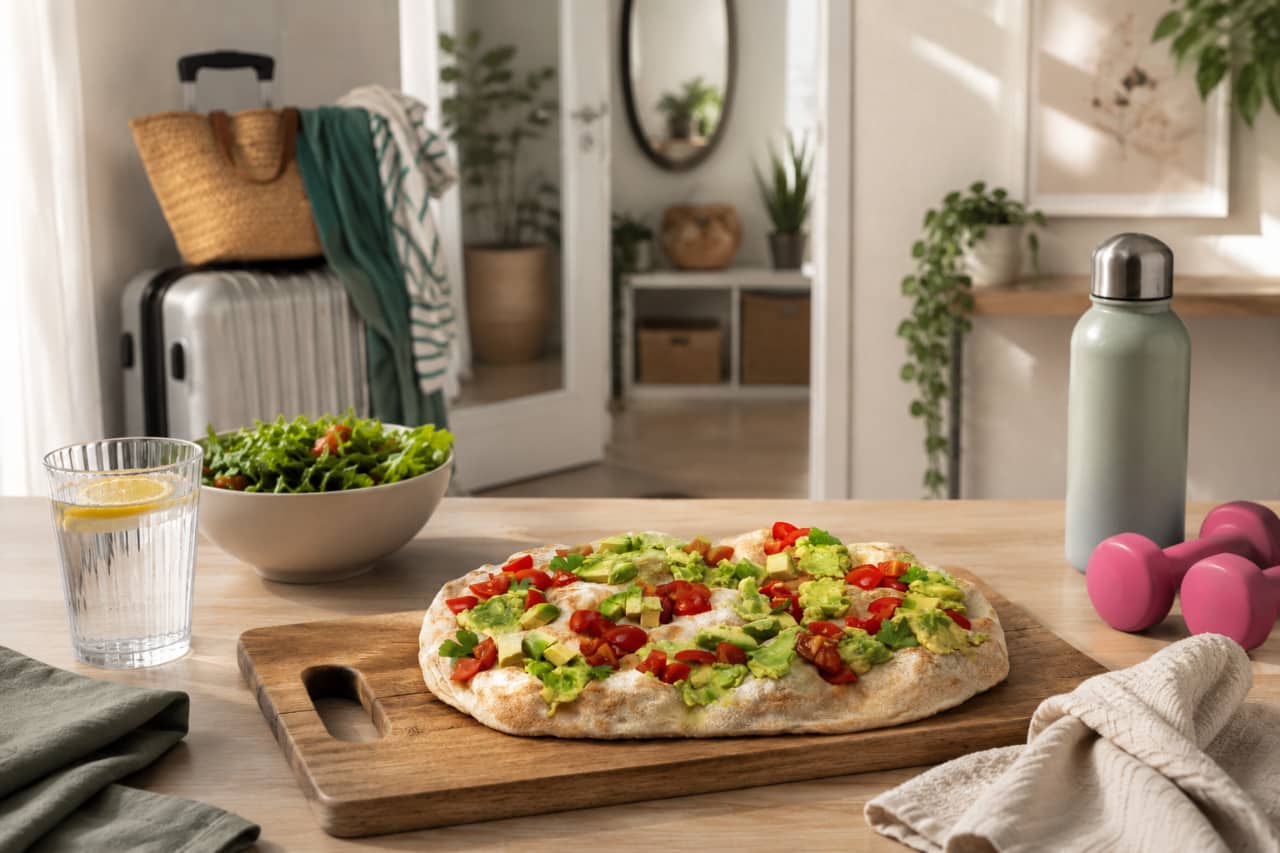
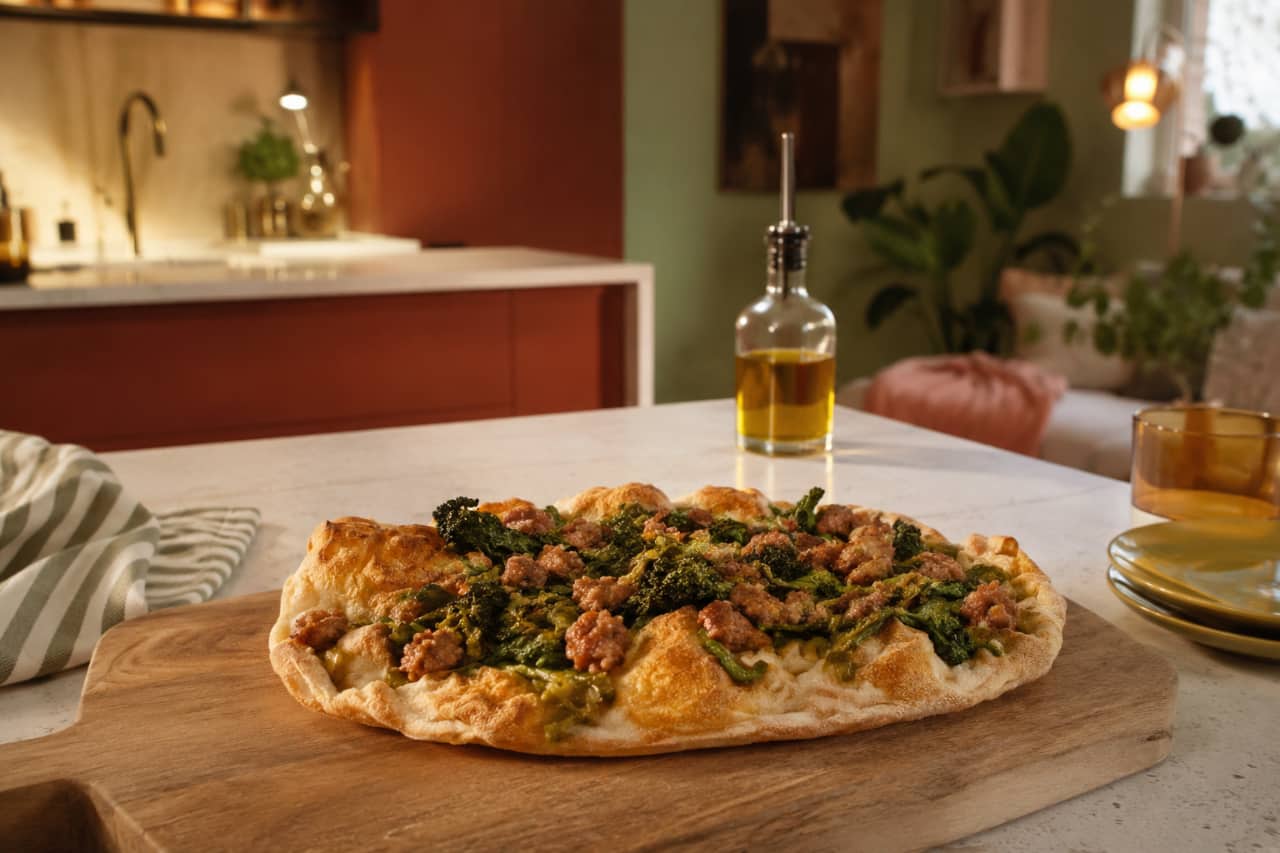
- Pinsa, available in pre-baked bases that follow the original recipe;
- Savory pies: rustic, light, or gourmet;
- Sweet baked goods: tarts, bundt cakes, cookies, pound cakes — the stars of breakfast;
- Savory snacks like breadsticks, taralli, crackers… perfect to nibble or pair with a platter.
In practice, any dough baked in the oven belongs to this big family. What matters: flour (wheat or alternatives), water, and baking in the oven.
How Are Baked Goods Made?
Few people make baked goods entirely at home. It’s not impossible, but it requires time, skill, and often equipment beyond a standard kitchen oven. Think of crusty bread or pizza: often you need mixers, long leavening times, high temperatures only a professional oven can reach.
That said, making your own pinsa or cake at home is always rewarding. The basic simplified process is:
- Prepare the dough, mixing flour, water, and other ingredients (yeast, salt, sugar, oil…);
- Let the dough rest (for leavened products) to rise, making it lighter and more digestible;
- Shape the product, rolling, portioning, or placing in a mold;
- Bake, at varying temperatures depending on the preparation: hotter for bread and pizza, gentler for cakes and cookies;
- Cool before serving or storing.
For those without time, patience, or equipment, the good news is that excellent ready-made or semi-prepared baked goods exist — offering artisanal quality with the convenience of a quick oven refresh. Pinsa is a perfect example: just a few minutes (5) at domestic oven temperatures (240–250°C) and endless customization.
Trends Transforming Baked Goods
Baked goods are among the most loved foods ever, but they too are evolving as people seek lighter, more convenient, and greener solutions. The food industry is adapting accordingly.
The baked goods on shelves today are not the same as 20 years ago: they’re healthier, easier to prepare, often more sustainable. Key trends include:
- Focus on lightness and digestibility: long fermentation, less fat, lighter flours like rice or soy;
- Cleaner labels: simple, recognizable ingredients, fewer additives;
- More variety for all needs: whole-grain, gluten-free, multigrain, high-protein… everyone has their version today;
- Convenience without sacrificing taste: pre-baked bases, frozen or chilled products ready in minutes but tasting homemade;
- More sustainable choices: recyclable packaging, reduced waste, environmentally mindful production.
In this context, some products — like pinsa — are gaining popularity because they deliver tradition plus versatility, lightness, and convenience.
Pinsa: A Baked Good with Its Own Identity
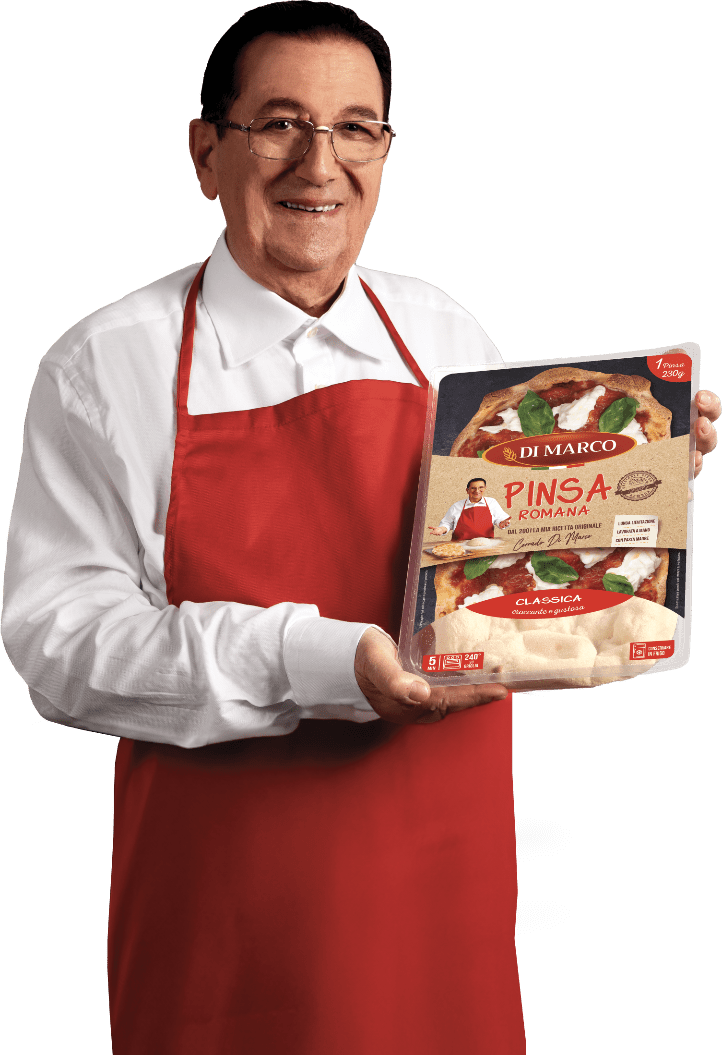
Among baked goods in stores or on the table, Roman pinsa deserves a spotlight. We often mention it here for a reason: pinsa isn’t just Di Marco’s flagship, it’s also a product that has won over people gradually thanks to its lightness, dough, and incredible versatility.
If you don’t know exactly what it is, no worries — this is the right place to start. Here, we highlight one key point: pinsa has earned its spot alongside traditional baked goods like pizza and focaccia thanks to its strong identity, recognizable and beloved by those looking for something tasty, different, and lighter. Compared with classic baked goods, pinsa offers:
- A different dough: mix of flours (wheat, rice, soy), high hydration, long fermentation;
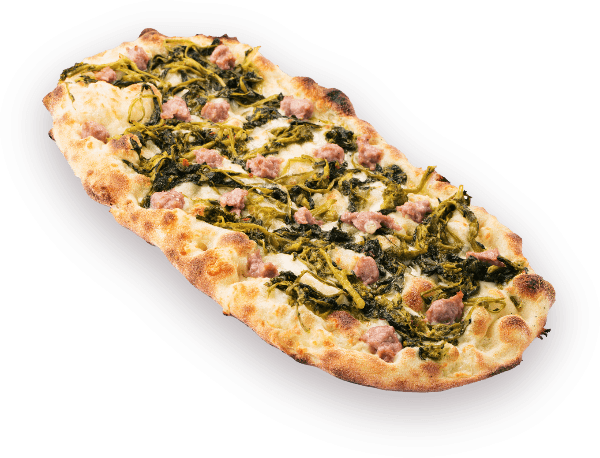
- A recognizable shape and texture: oval, irregular, bubbly surface, artisan look;
- A light yet satisfying experience: easier to digest than many traditional doughs without losing flavor;
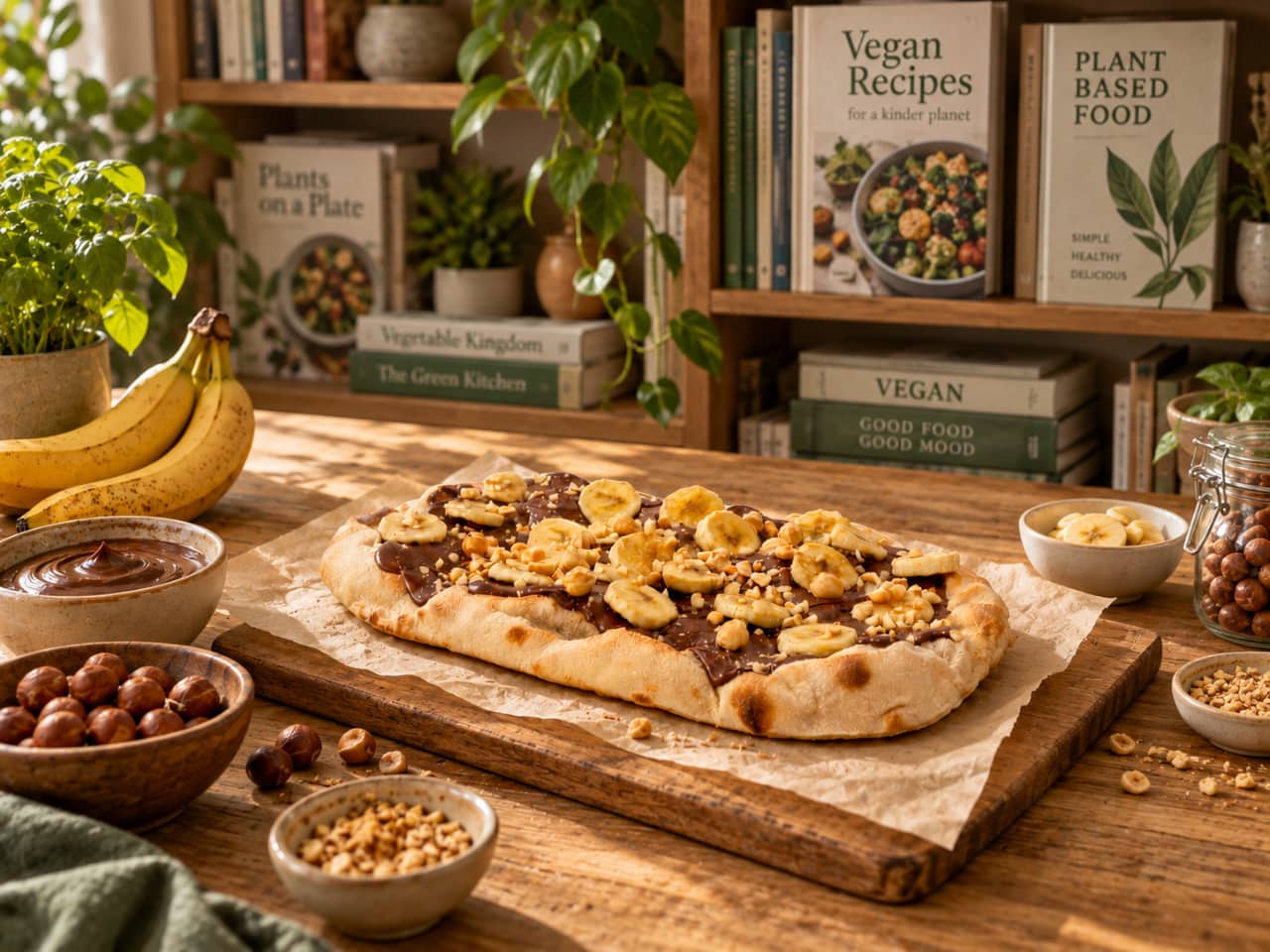
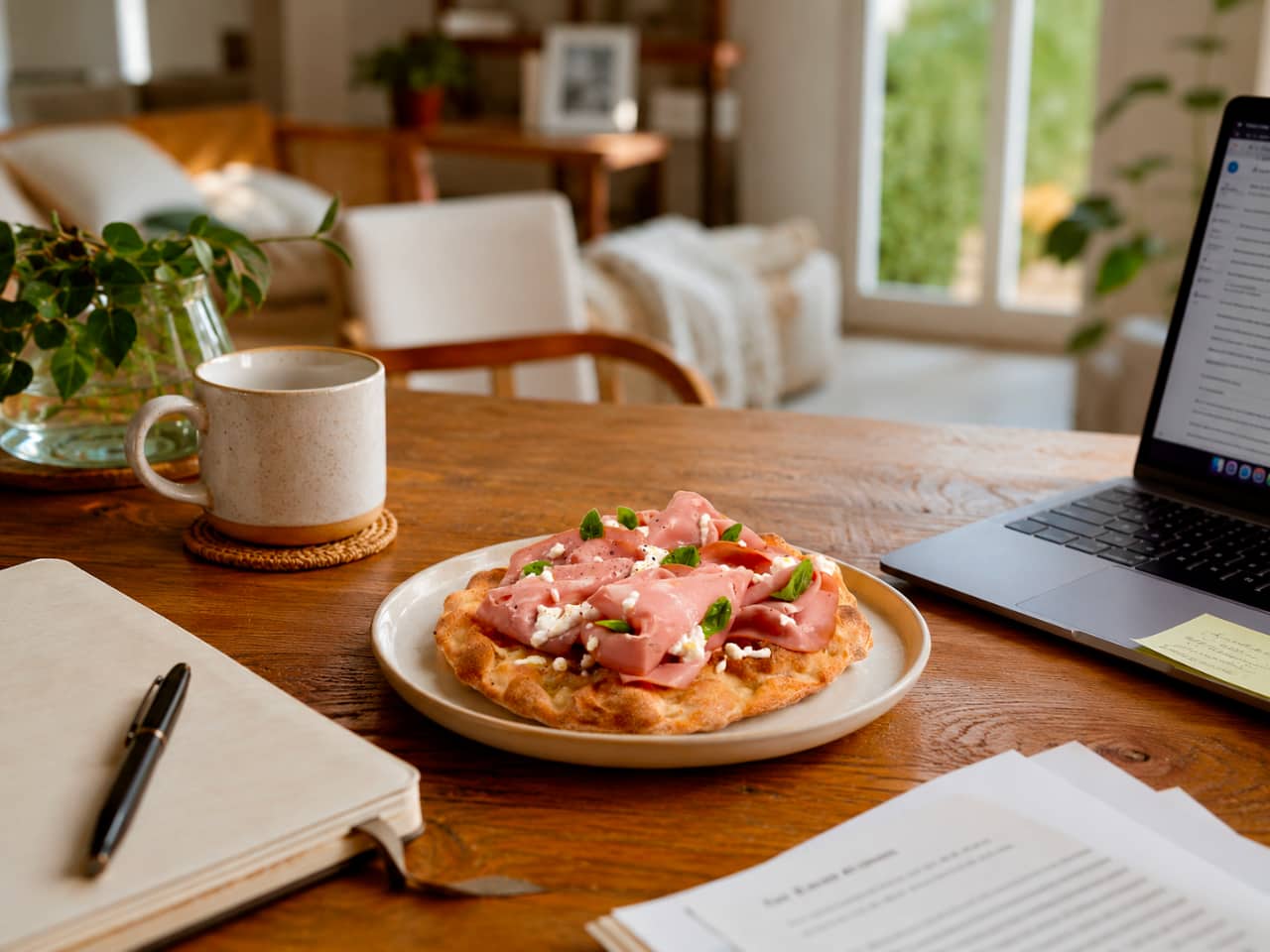
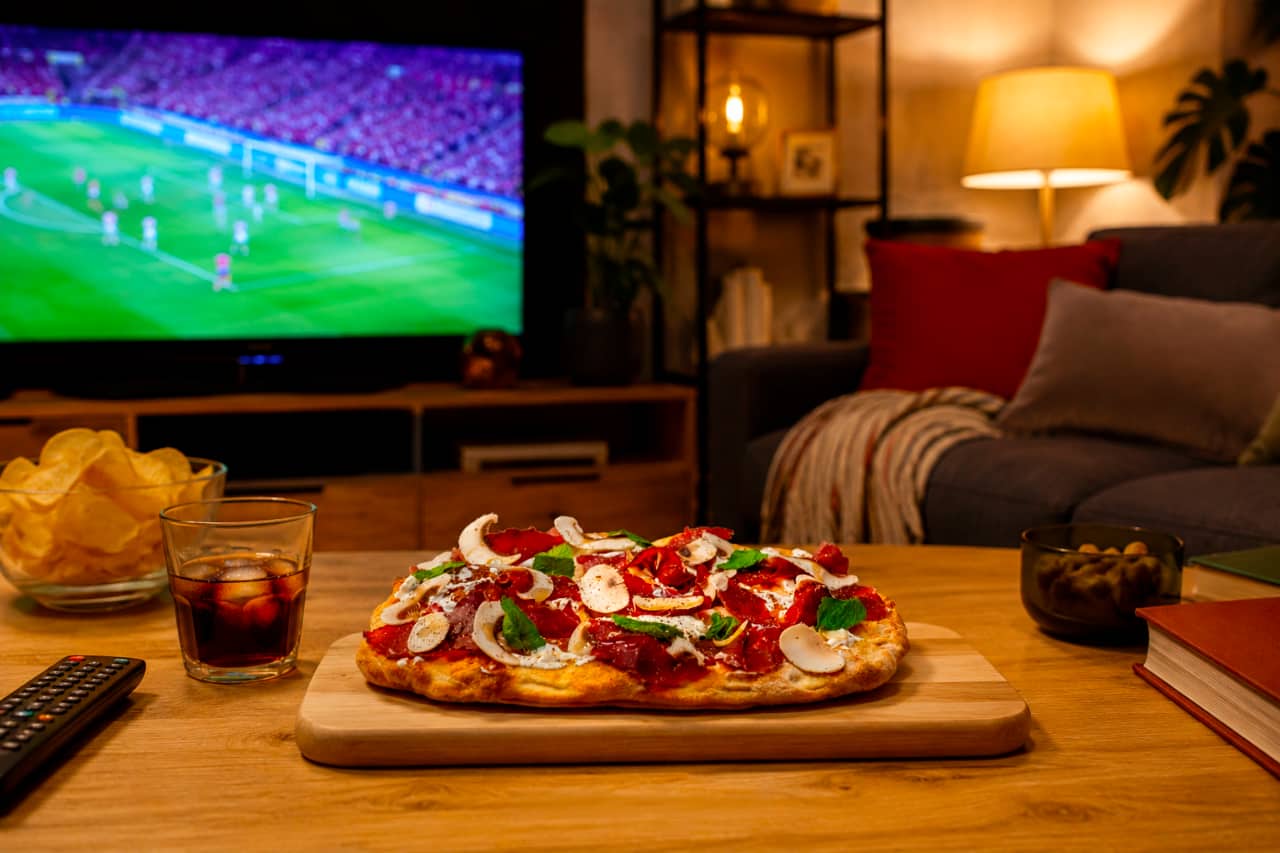
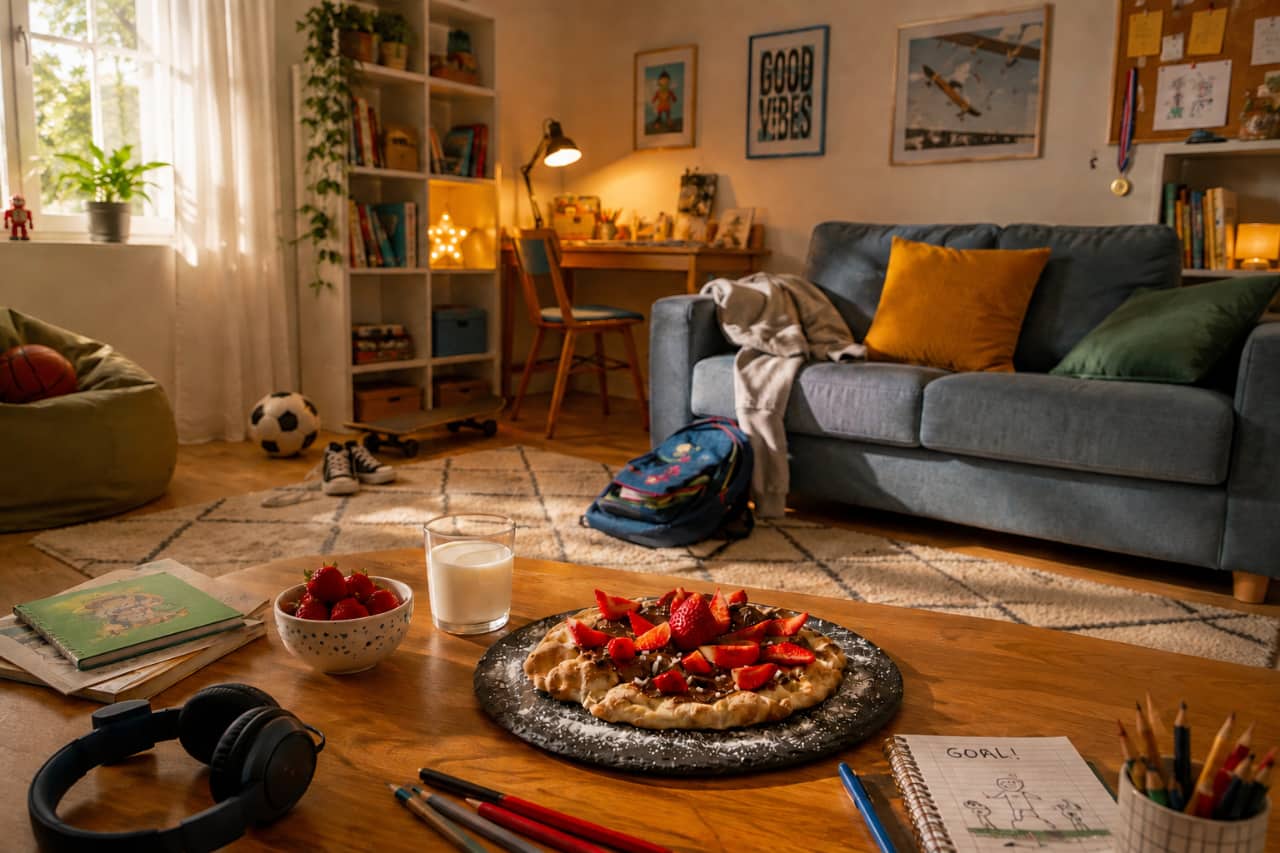
- A versatile base: perfect as appetizer, bread alternative, main course, aperitivo, or even dessert.
Pinsa has achieved something historic: it combines tradition and innovation, familiar from the first bite yet different enough to intrigue even those who think they’ve “seen it all.”