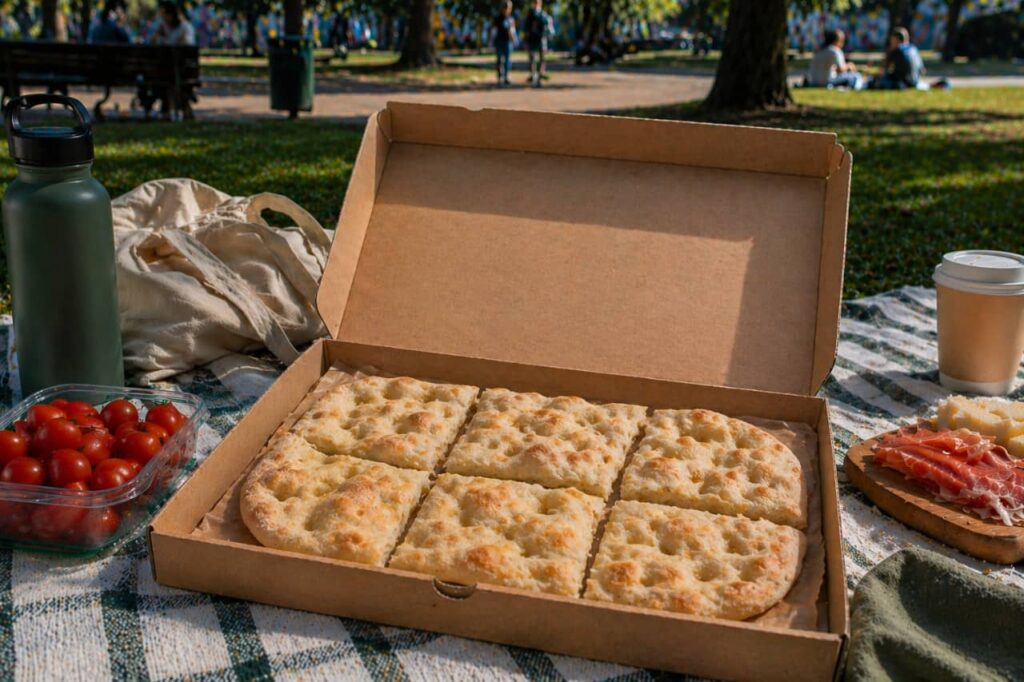
When planning an outdoor lunch, the ideas are always the same: sandwiches, rice salads, ready-made dishes to open at the last minute. Convenient solutions, of course, but often predictable and not very satisfying.
This year, we decided to approach the topic differently: still suggesting simple and quick ideas, but also more creative and original, with the goal of finding dishes that truly work.
Outdoor lunch: the 3 constraints you can’t escape
If you want to prepare something original for an outdoor lunch, you need to consider some very practical constraints. Because this is where you understand what really works and what is better left at home.
1. Transport and practicality
What you prepare must arrive intact. Avoid delicate dishes, difficult to portion foods or anything that requires too much attention. Compact and easy-to-share solutions work better.
2. Keeping well outside the fridge
You won’t always have a cooler bag available. Food needs to maintain taste and texture even after a few hours, without spoiling or losing quality.
3. Preparation time
The idea of eating outdoors can come up at the last minute. You need quick preparations, with few steps and no complicated processes.
The obvious risk is taking refuge in the usual quick sandwich. Yet there is a way to stay within these limits without giving up variety and flavor. Let’s see how.
What really works (and what doesn’t) for an outdoor lunch
At this point, the question is: what should you cook before leaving home, so you don’t end up with something impractical or unappealing?
The mistakes to avoid
The first thing is to avoid some very common mistakes that, in practice, make all the difference.
1. The first concerns the moisture of ingredients. Some foods, such as fresh mozzarella, very ripe tomatoes or vegetables that are not well dried, tend to release water during transport, making everything softer and less pleasant to eat.
2. Another common mistake is overdoing the seasonings. Sauces, oil or very creamy ingredients may work at first, but after a few hours they risk making the dish heavier and compromising the texture.
3. Also pay attention to dishes that seem practical but actually are not: preparations that need to be mixed, assembled or seasoned at the last minute become inconvenient outdoors.
4. Finally, pay attention to portion management. Dishes that are difficult to divide or eat “on the go” can turn a relaxed lunch into something less enjoyable.
These are details, but they are exactly what determines the success of an outdoor lunch.
What to choose if you want to be a little more original
We have already seen that, for an outdoor lunch, preparations that maintain structure and flavor after transport work best, that do not depend too much on temperature and that are easy to eat even informally.
The difference, at this point, lies in how you translate these criteria into something less obvious.
Instead of repeating the usual combinations, start from more interesting ideas. For example:
- a dry savory pie, for example with zucchini and firm ricotta, which holds up better than more moist versions;
- vegetable or meatballs, which can also be eaten cold;
- cold skewers with mozzarella, cherry tomatoes, cured meats or grilled vegetables, easy to prepare, transport and manage;
- a grain salad such as spelt or well-separated couscous, with vegetables and ingredients that are not too watery.
These are all quick preparations, often requiring around 10–15 minutes or slightly more, but with a result that is definitely less predictable than the classic ham sandwich.
The ultimate solution? Pinsa!
If you combine all the criteria we have seen, it is difficult to find a more balanced and original solution than Pinsa for an outdoor lunch.
1. First of all, Pinsa is original by nature. Unlike other dishes such as pizza or focaccia, it is less obvious and immediately brings something new and different. This is a significant advantage, especially if you want to stand out without complicating your life.
2. Then, the base is already ready and only requires 5 minutes in the oven, pan or air fryer. You don’t have to build everything from scratch, but start from something that already works.
3. In addition, Pinsa maintains a good texture even after transport, it is easy to cut, divide and share, and it can be eaten without difficulty even in informal situations.
4. Finally, Pinsa works well at different temperatures. It is excellent freshly made, but also remains enjoyable warm or cold, without losing balance or becoming heavy.
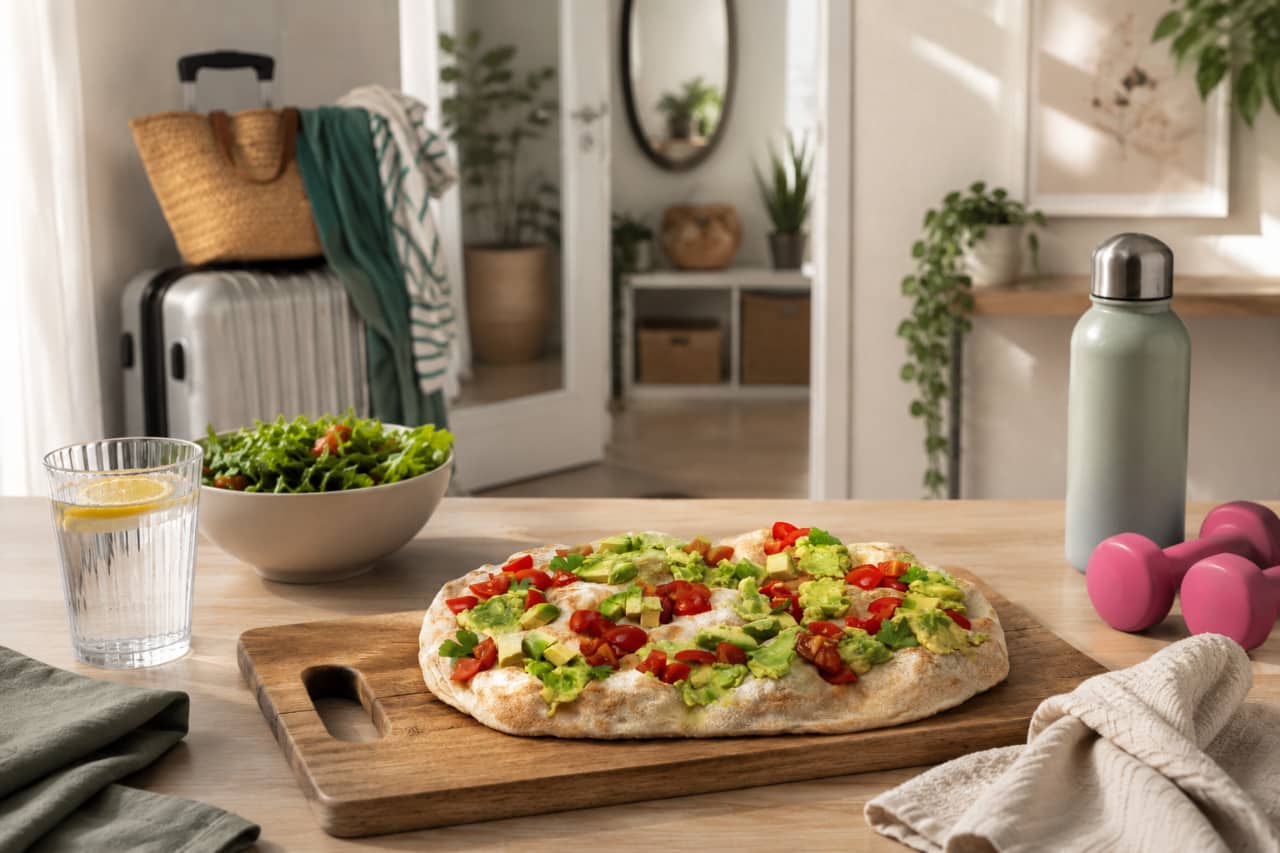
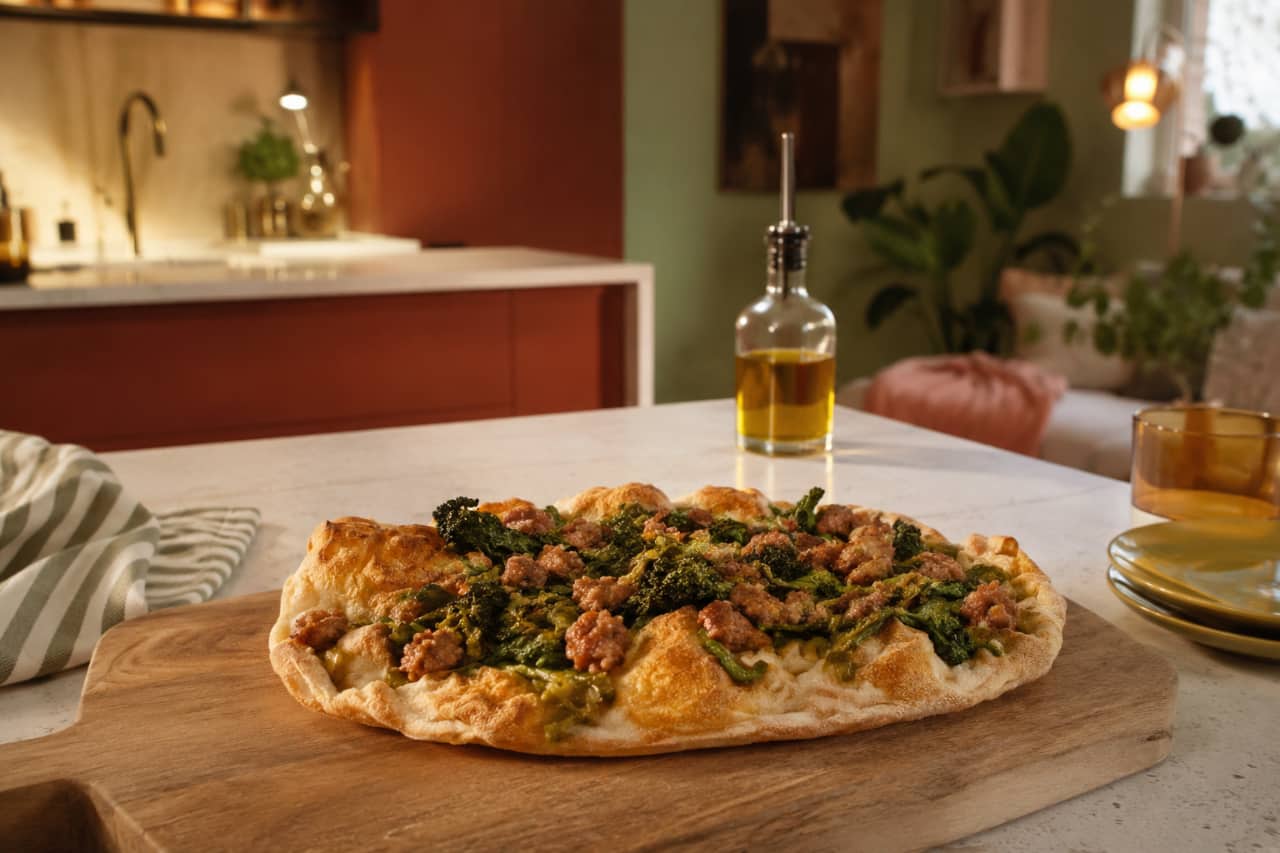
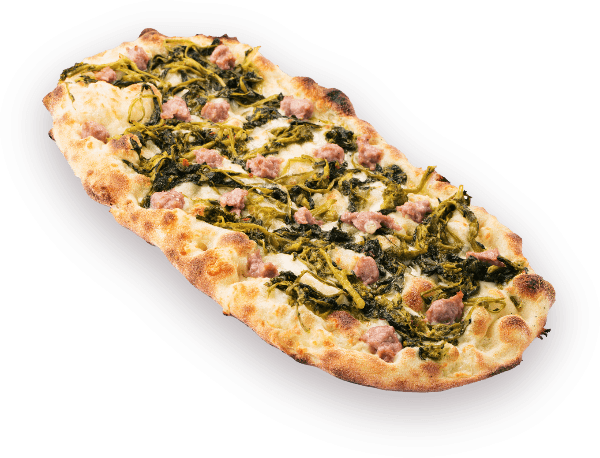
At this point, all that remains is to be original with the toppings and move beyond the most predictable combinations without complicating the preparation. If you want some ideas, you can start with combinations that are already tried and tested but less predictable than the classic Margherita:
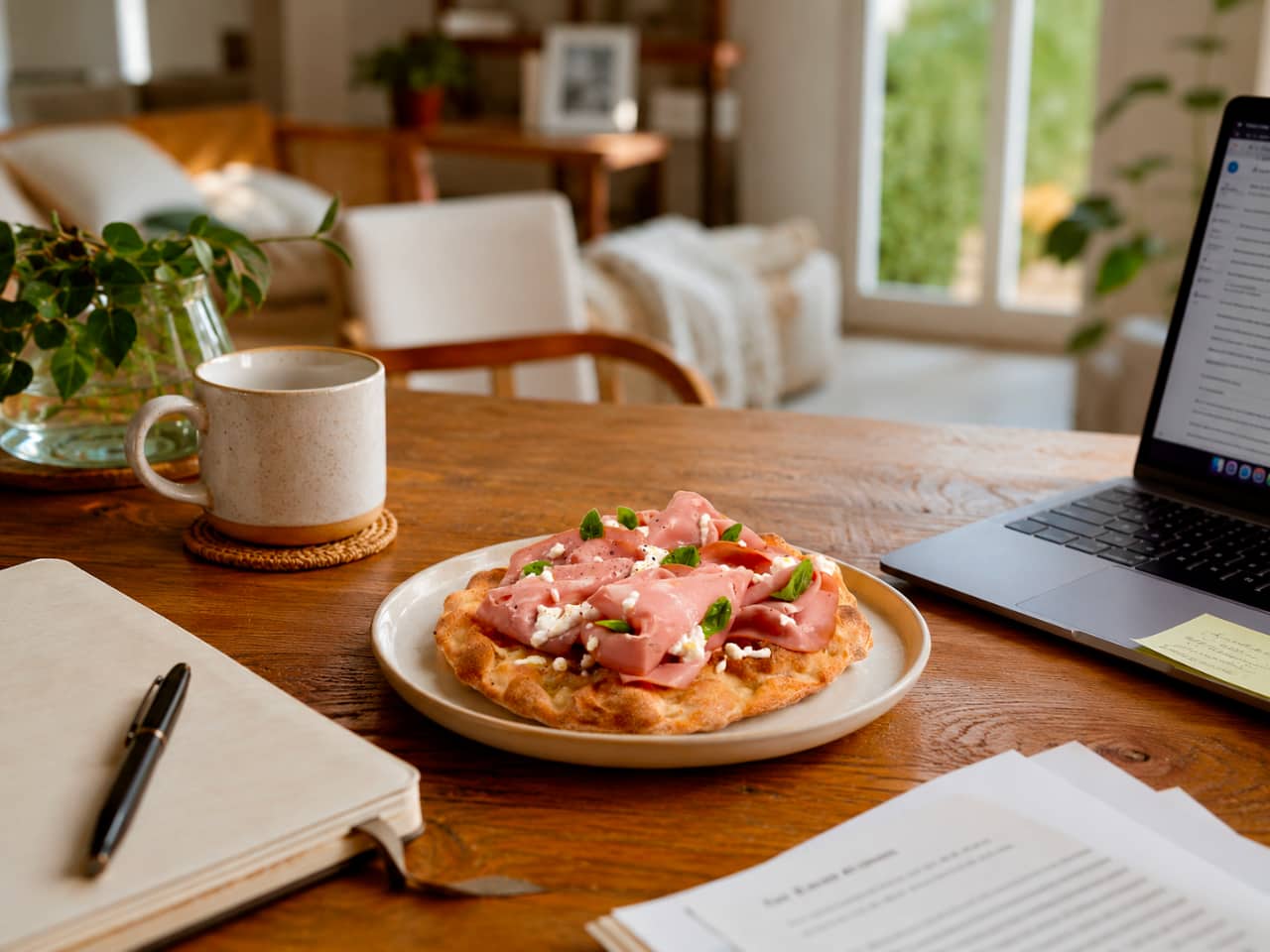
- a Pinsa with prosciutto crudo and mozzarella, a great classic that is easy to prepare and always effective;
- a Pinsa with salmon and fresh ingredients, also perfect to enjoy warm;
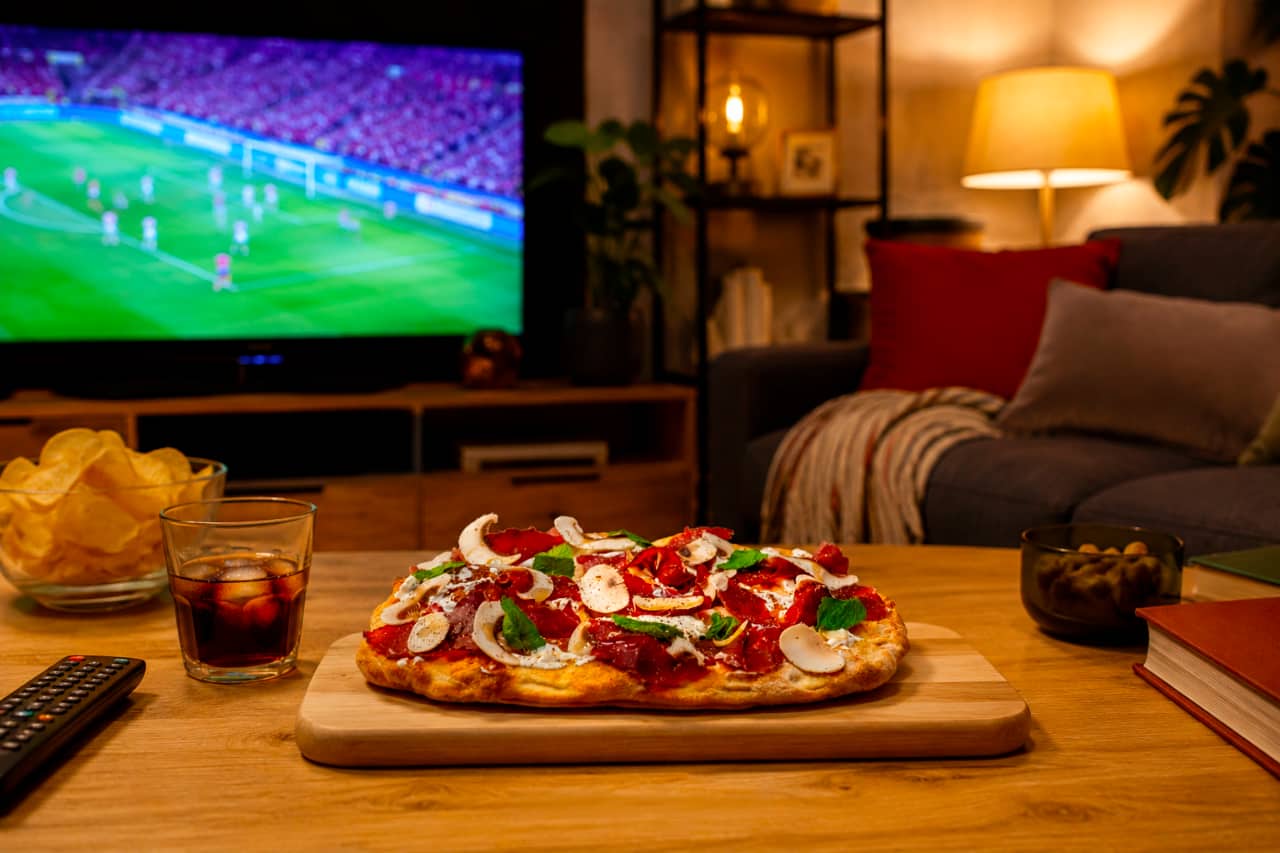
- a Pinsa with peppers and bold pairings, ideal if you are looking for something richer but still practical;
- a Pinsa with tuna and cherry tomatoes, fresh and practical, also perfect to enjoy at room temperature;
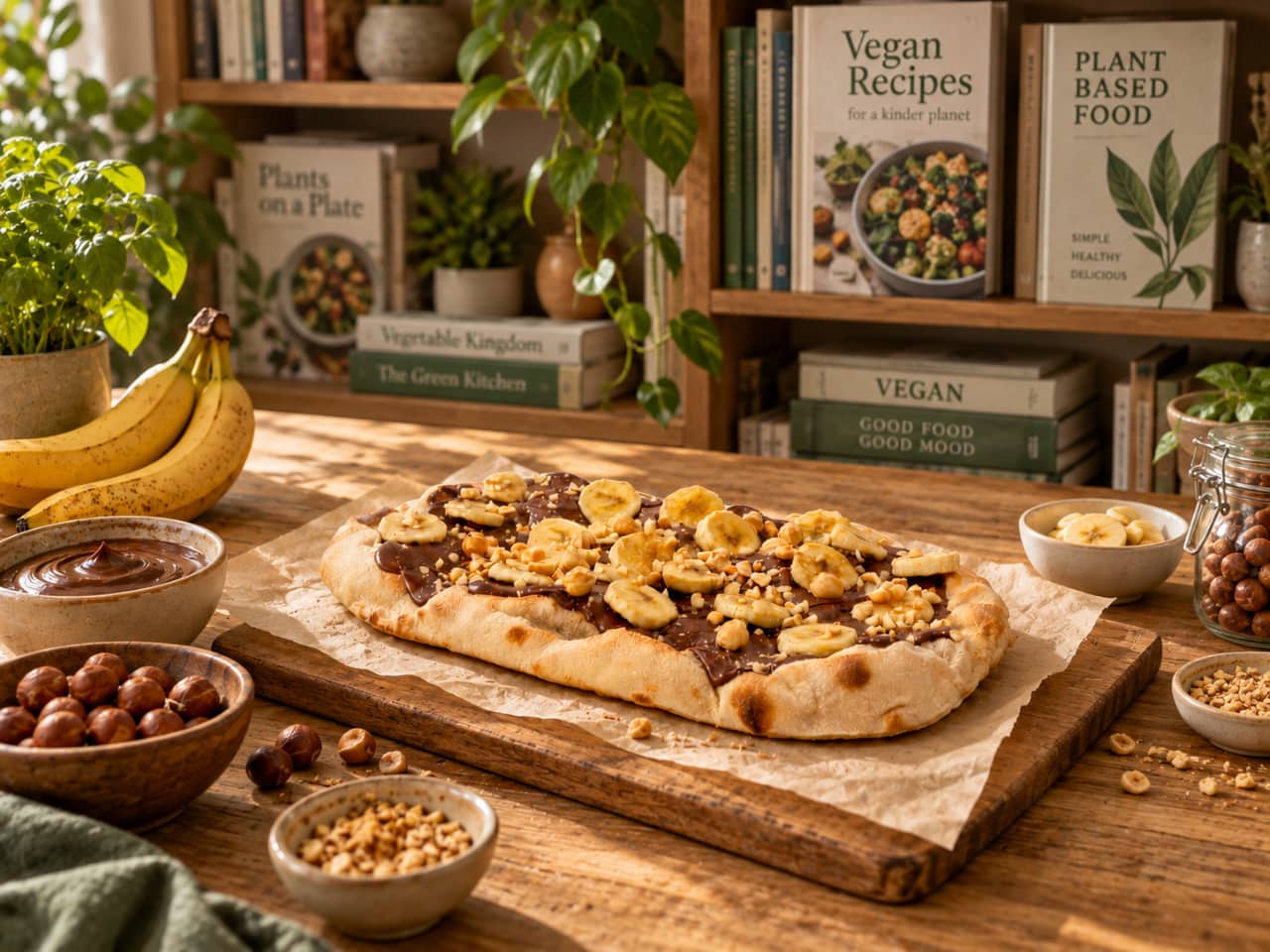
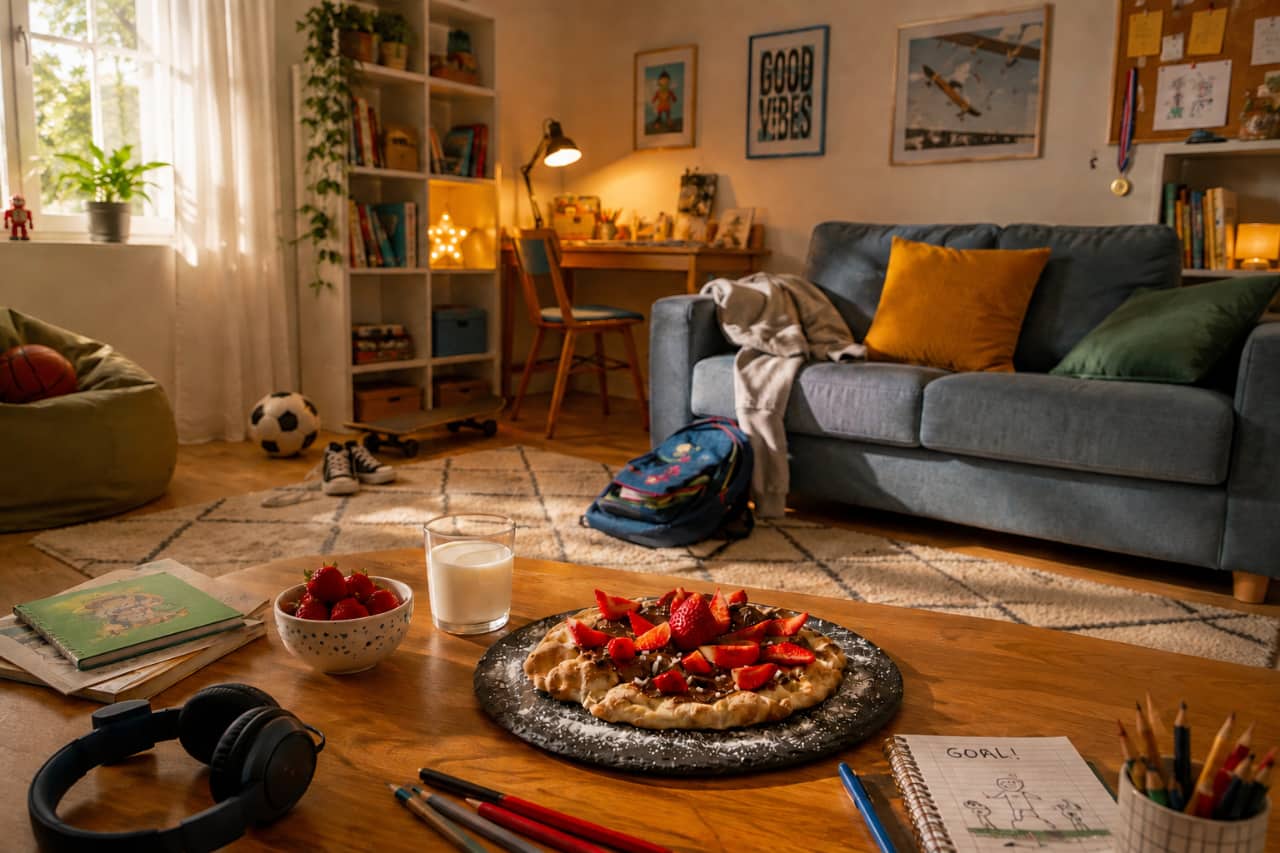
- or a sweet Nutella Pinsa, to turn the outdoor lunch into something even more informal and convivial.
To simplify transport, you can cut the Pinsa before cooking or immediately afterwards: this way it will be easier to handle and share, without sacrificing practicality.
These are all solutions that require only a few minutes, are easy to transport and, above all, allow you to bring something different to the table.