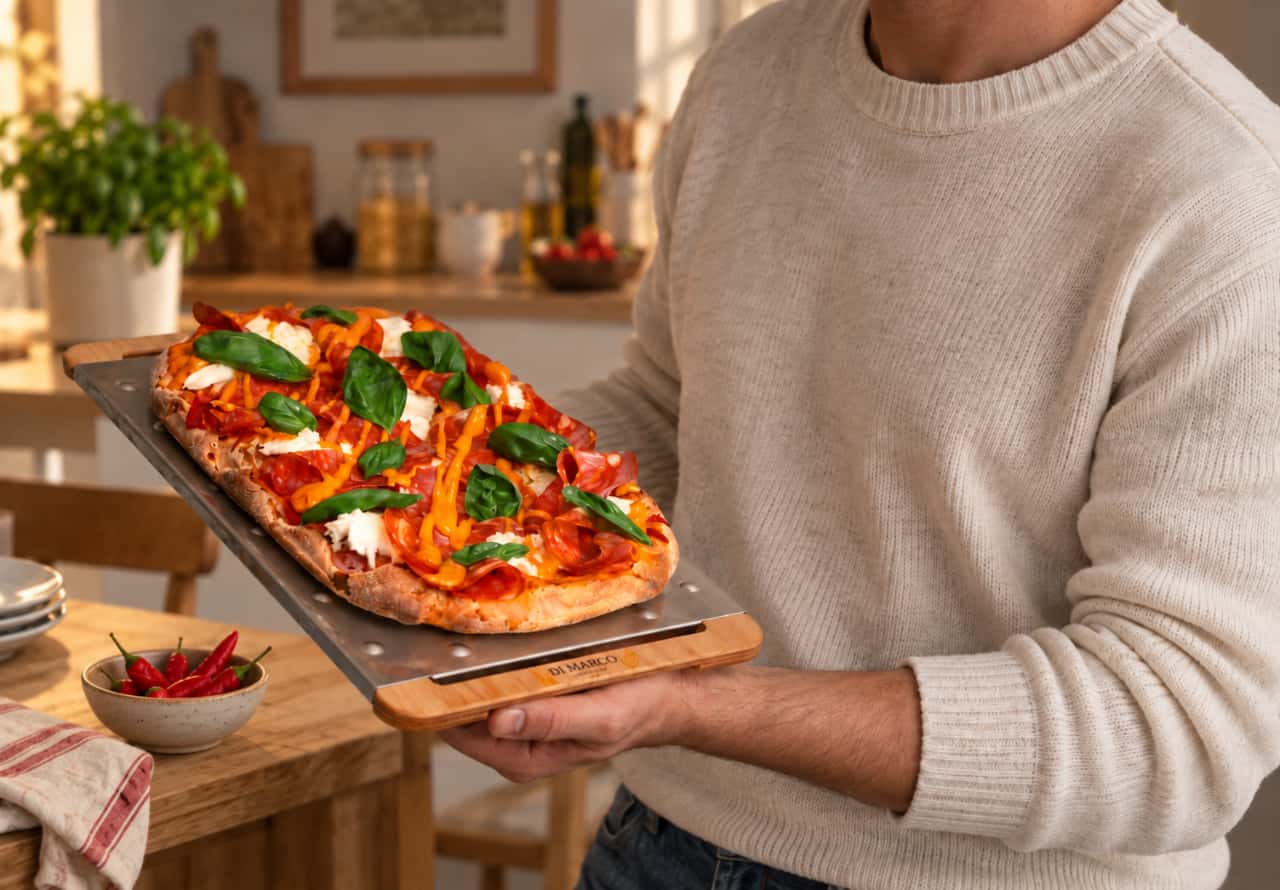
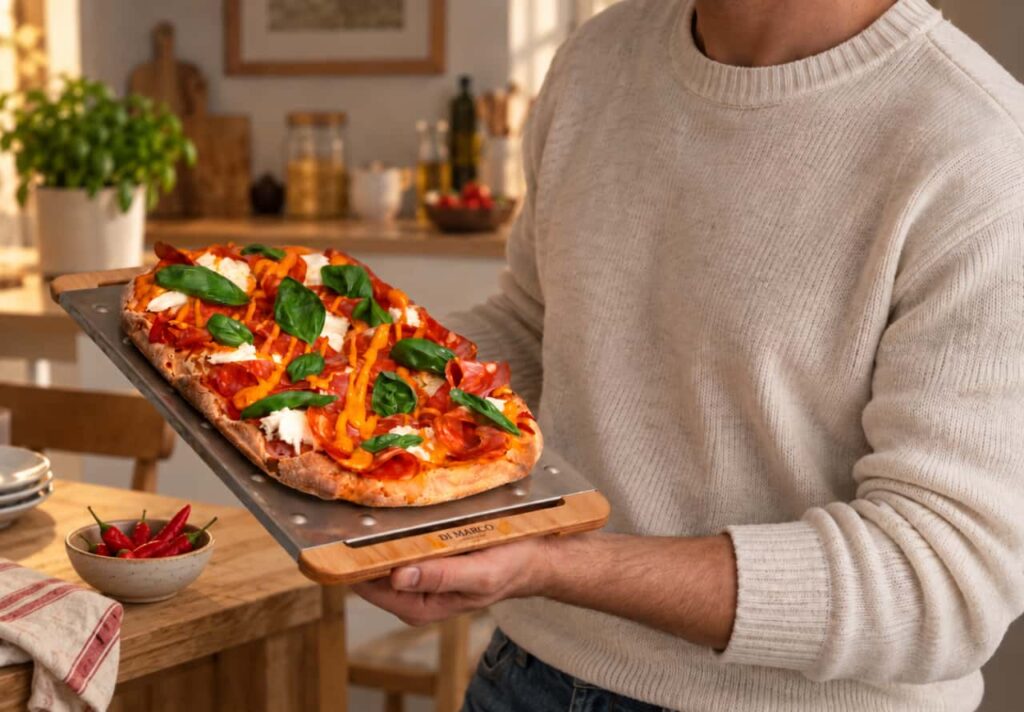
Some people look for heat in every dish, while others add it with a light hand. Whichever camp you fall into, there’s something here for you. We’ll start with the quintessential spicy pizza and explain why it’s so popular, then head to the kitchen for the classic recipe and some variations to play with. You can make them all at home in 10 minutes with a Di Marco Pinsa base.
Diavola: A Classic with a Bold Kick
Just seeing the name on a menu tells you what to expect: a flavourful pizza with a distinctive kick you can taste from the first bite. Diavola pizza has a character all its own, even if its history is less clear than that of other pizzas and its interpretation can vary considerably from one pizzeria to another.
The Origins of Diavola: A Story Still Unclear
It’s hard to say for sure who invented Diavola or when it first appeared. Its roots seem to lie in the Neapolitan tradition of topping pizzas with salami, which may have given rise to the spicy version we know today.
Some suggest that it became widespread after the Second World War, when chilli peppers began to appear frequently in southern Italian kitchens, though this remains a theory.
The name is easier to explain. The reference to the devil immediately brings to mind fire and the heat of chilli, a natural association that captures the character of the recipe. Some also see a link with the bright red colour of chilli peppers and spicy salami, which may evoke the flames of hell.
Why Diavola Became a Classic
Diavola’s appeal lies in the balance between familiar flavours and a lively kick. Tomato and mozzarella make a comforting combination, while the salami adds savouriness, aroma and heat. The result has plenty of character with just a few ingredients.
That also helps explain its popularity. People know what to expect when they order it, yet every pizzeria does it a little differently. The type and amount of salami, and whether extra chilli is added, can make it milder or give it a much stronger kick. The name stays the same, but the experience changes.
Diavola Ingredients: A Common Starting Point
Diavola follows a classic combination of three ingredients: tomato, mozzarella and spicy salami. These are what define the dish, usually accompanied by extra virgin olive oil and sometimes basil.
These are some of the cured meats most commonly used in pizzerias:
- Spicy Calabrian salami, the most common choice, often listed simply as “spicy salami”.
- Ventricina from Abruzzo or Molise, with a bolder, spicier flavour.
- Spicy Neapolitan salami, recognisable by its coarser grind compared with other Italian salamis and the light smokiness that complements its heat.
- Spianata piccante, particularly common in Puglia and Abruzzo.
- ’Nduja, an increasingly popular variation that gives the pizza a creamier texture.
Olives, other cheeses and additional toppings are variations on the original recipe. They can add something extra, but the starting point is simple: a few ingredients, each with a clear role.
How to Make Pinsa alla Diavola at Home in 10 Minutes
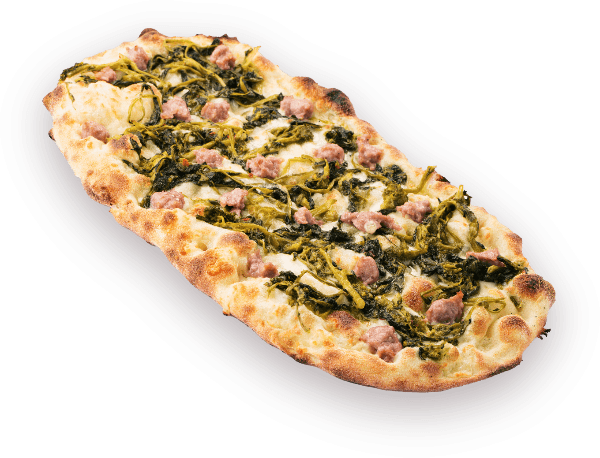
Pinsa works particularly well as a Diavola. The bold toppings tend to dominate the milder flavour of the base, but its texture still stands out. The crisp edges contrast with the stretchy mozzarella and soft interior, giving you more to enjoy in every bite alongside the heat.
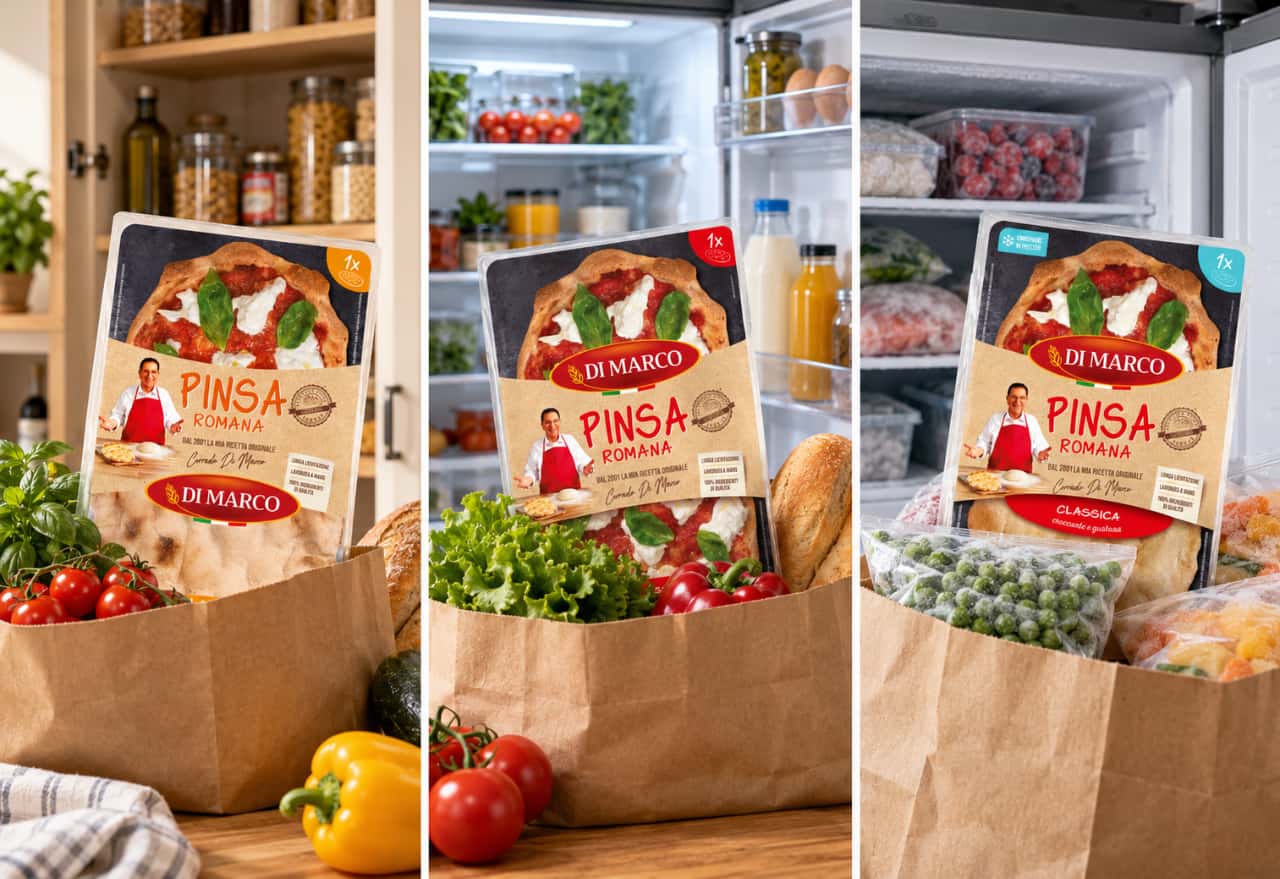
There’s a practical advantage, too. With a pre-baked Di Marco base, you can focus on the toppings and serve your Pinsa alla Diavola in under 10 minutes once the oven is hot.
- Preheat the oven according to the instructions on the base packaging.
- Meanwhile, slice the mozzarella and let it drain. The less moisture you add to the Pinsa, the easier it will be to keep it crisp.
- Season the passata with a little salt and a drizzle of oil, bearing in mind that the salami will already add plenty of saltiness.
- Before baking, spread two tablespoons of the tomato sauce over the base and add the mozzarella, taking care to keep the base from getting soggy.
- On the classic pizza, the salami goes on before baking and cooks with the base, releasing its aromas into the dough. Pinsa bakes at a different temperature and for a different amount of time, so you can bake the salami with the base or add it after baking. If you bake it, the salami’s flavour blends more with the other toppings. If you add it at the end, it stays softer and tastes fresher. Try both ways and see which you prefer. Avoid overlapping too many slices so that every bite has a little heat and you can still taste the other ingredients.
- Preheat the oven and, once it reaches the right temperature, bake according to the times and instructions on the packaging. For the classic base, allow about 5 minutes at 250 °C. Check that the mozzarella has melted and the edges are crisp, adjusting the final moments of baking to suit your oven.
- Once the Pinsa is out of the oven, add fresh basil and, if you want a stronger kick, a few drops of chilli oil. We recommend tasting it first, as a good spicy salami can give your Diavola all the kick it needs.
Diavola Variations: New Takes on a Classic
Classic Diavola lends itself to several interpretations, each with its own character. If one catches your eye, grab a Di Marco Pinsa from the fridge and try it today.
- As mentioned earlier, one of the most popular variations uses ’nduja in place of sliced salami. The result is a creamier pizza, with the heat spread evenly across it.
- Some versions turn up the heat by adding fresh chilli or dried chilli flakes on top of the salami, for anyone who wants a little more kick than the classic delivers.
- There’s also a version with burrata, added fresh after baking. The creamy cheese softens the heat and creates a popular contrast in textures and flavours.
- Outside Italy, Diavola often takes the form of the familiar pepperoni pizza. Pepperoni is an Italian-American invention from the early 20th century, with a finer grind and a brighter colour than Italian spicy salami.
- Finally, there’s a vegetarian version that swaps the salami for spicy vegetables, often roasted peppers or friggitelli peppers, and uses a hotter chilli oil brushed over the base.