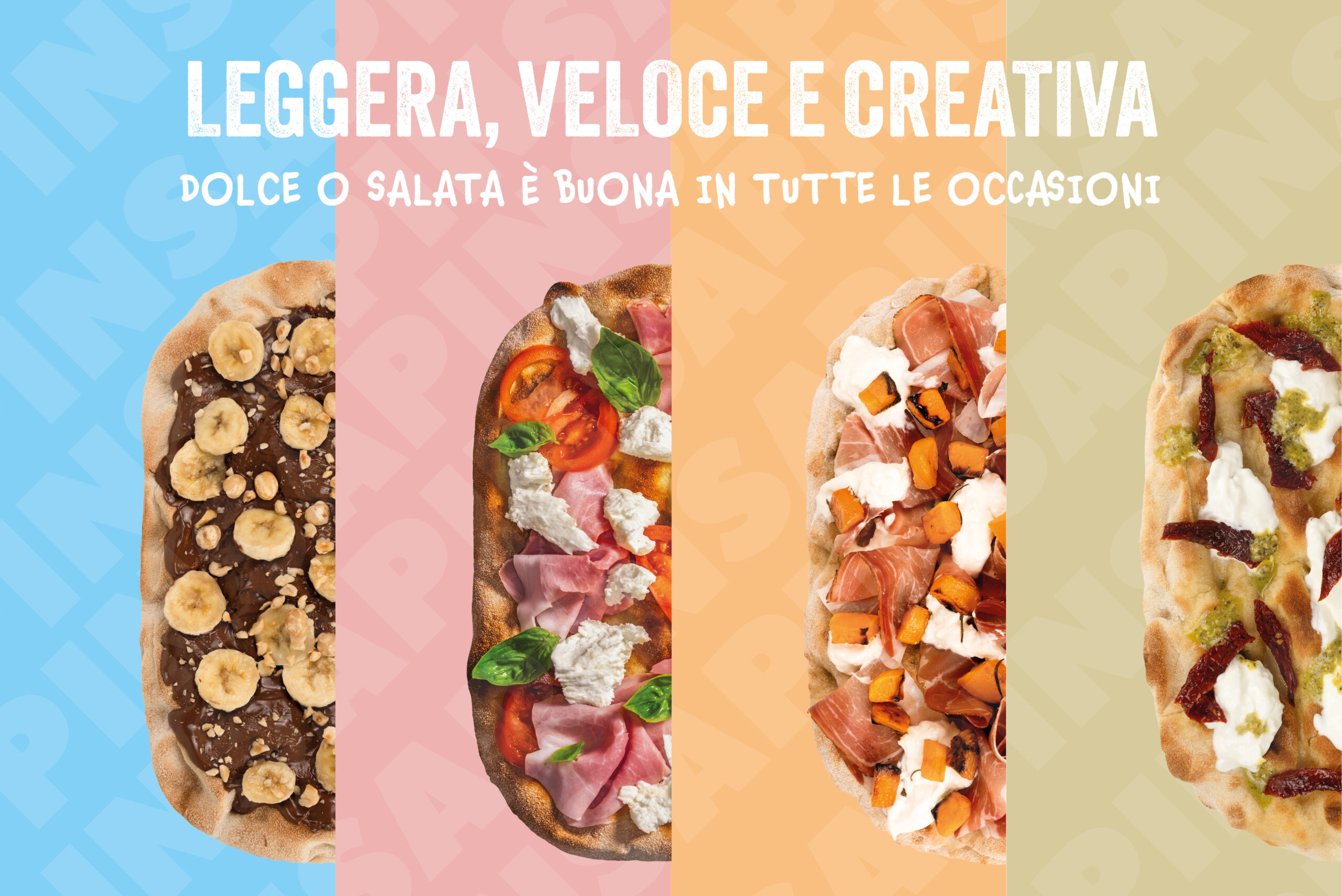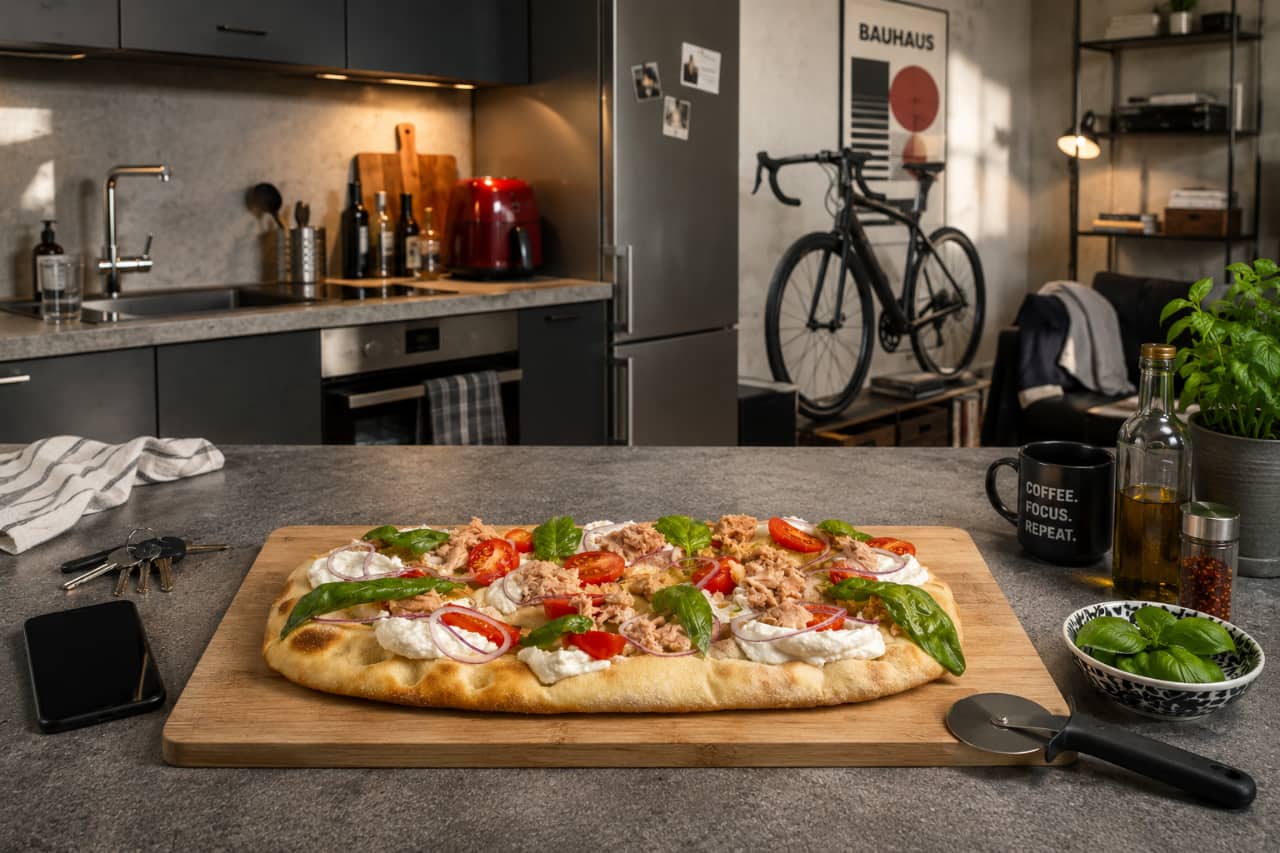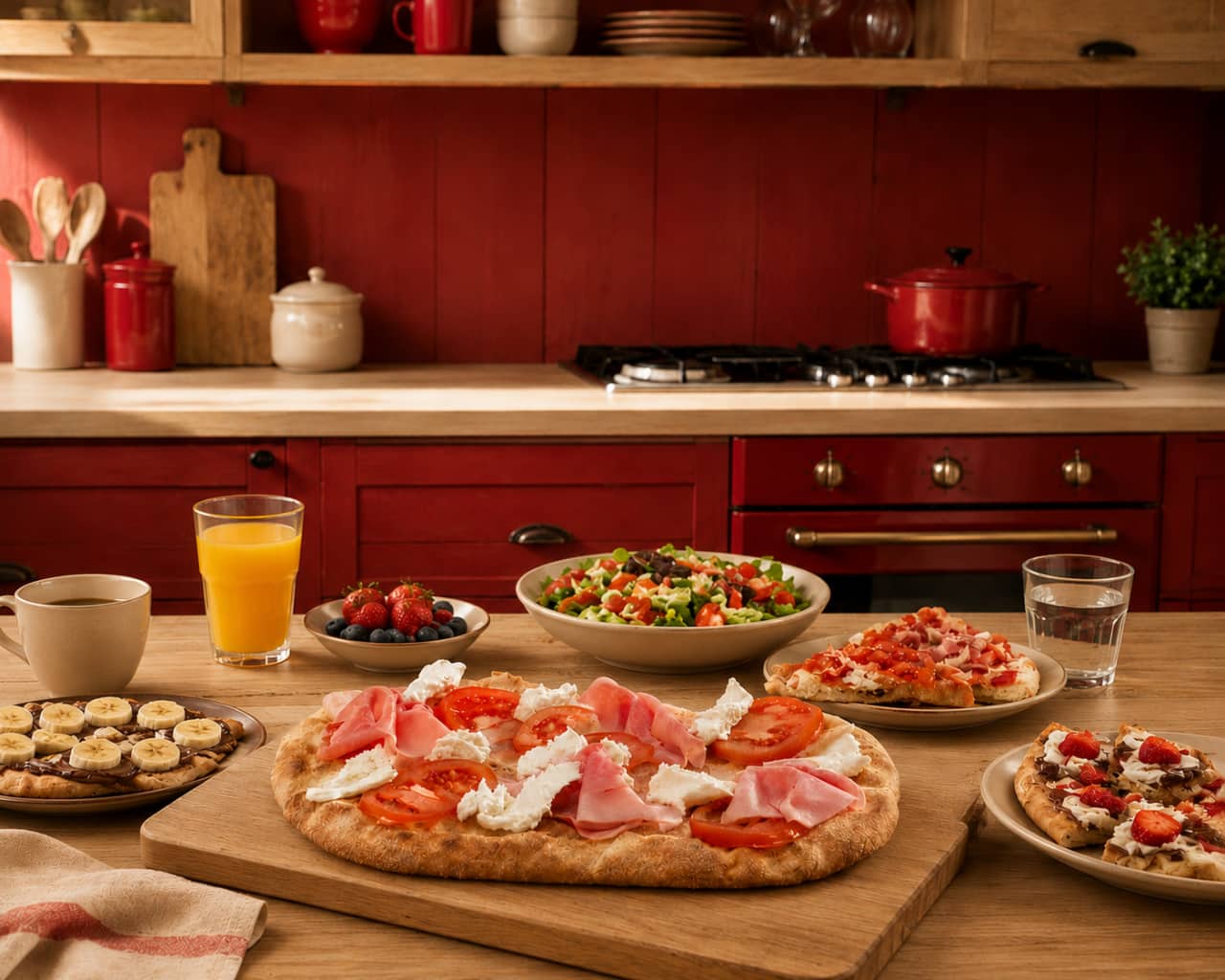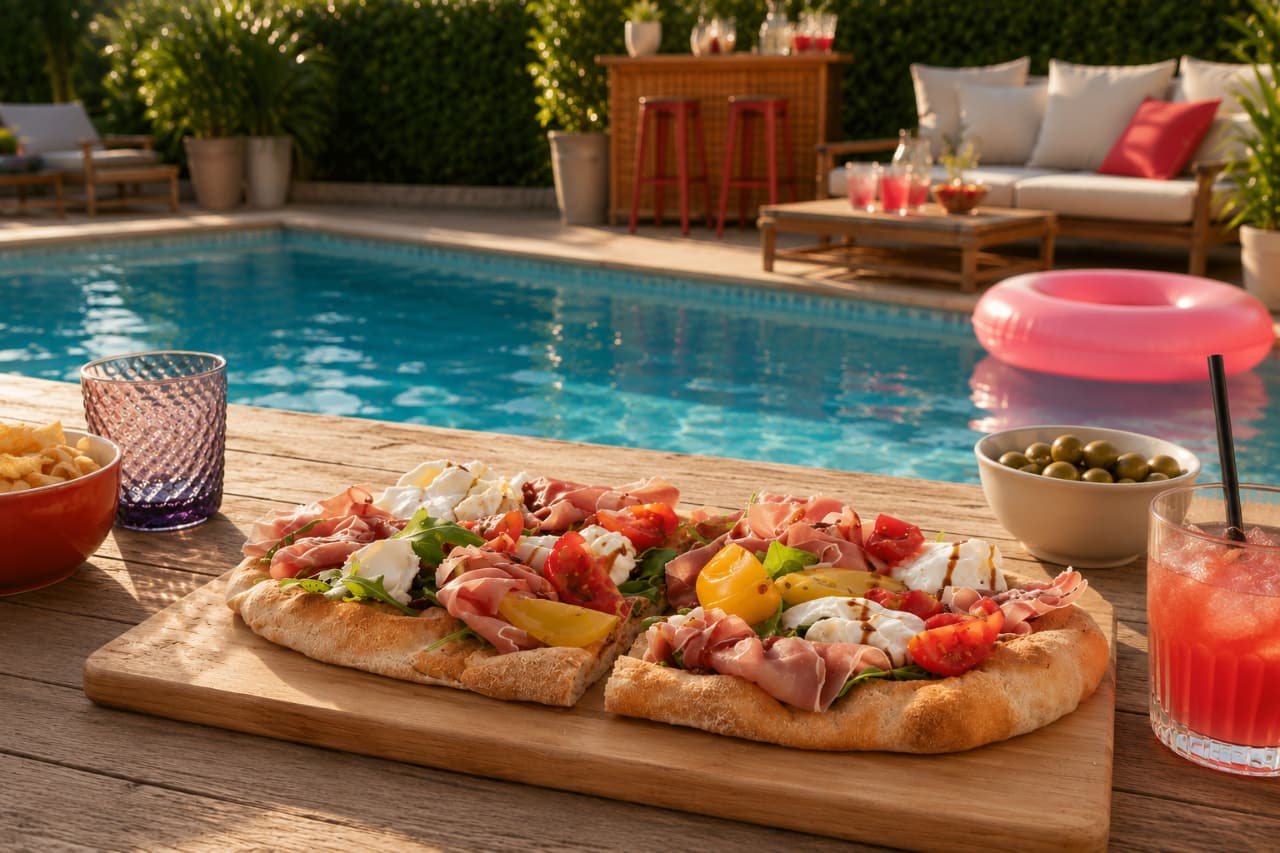
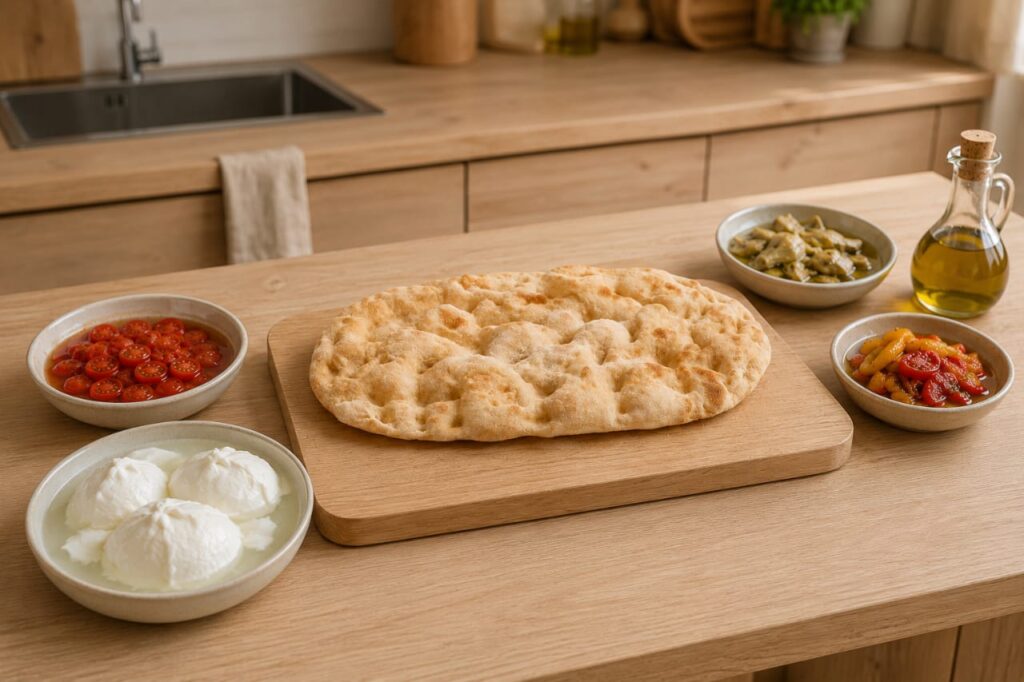
Pinsa is simple to prepare, quick and incredibly versatile: just a few minutes and a handful of quality ingredients are enough to bring something truly delicious and light to the table.
At the same time, there are small mistakes that, although they may seem insignificant, have a much greater impact on the final result than most people realize.
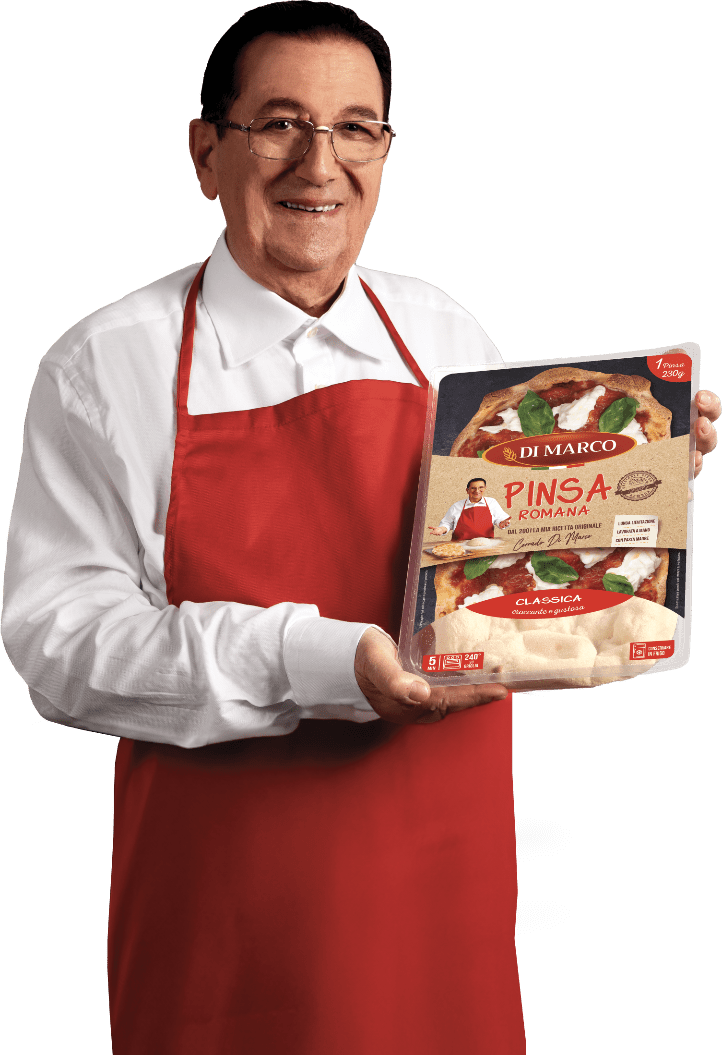
Corrado Di Marco wants to help you enjoy Roman Pinsa exactly as he imagined it: crispy, soft, well-balanced and enjoyable from the very first bite. Over the years, he has seen the same small mistakes repeated time and time again. They may not ruin the final result, but they can certainly make it less special. That is why he wants to help you avoid them, starting, of course, with the most common ones.
Treating Pinsa Like a Pizza
This is the most common mistake because it feels like the natural thing to do. In reality, the experience is different, just as the way Pinsa should be interpreted and appreciated is different.
Pinsa is all about balance, lightness and harmony of textures. For this reason, overly generous ingredients, heavy toppings or garnishes added without care risk covering up the very qualities that make it so enjoyable to eat.
To avoid making mistakes, start with these simple principles:
- Choose fresh, seasonal ingredients.
- Avoid overloading the base with too many toppings.
- Create contrasts between warm and cold elements.
- Combine different textures, such as crunchy ingredients and light creams.
- Focus on a few well-balanced ingredients rather than adding too many all at once.
Unlike pizza, where the toppings are the main attraction, every element of a Pinsa should contribute to creating a perfectly balanced bite: the crispness of the base, its soft interior, the freshness of the ingredients and the contrast between hot and cold should coexist without overpowering one another.
Underestimating the Moisture of the Ingredients
One of the mistakes we see most often concerns the way moist ingredients are handled. It is perfectly natural to think that fresh mozzarella, cherry tomatoes or burrata are ideal on a Pinsa—and they certainly are—but without a few simple precautions they can compromise part of the balance of the base.
For example, it is quite common to place ingredients with a high water content directly onto a Pinsa that has just come out of the oven, perhaps without draining or preparing them properly. Excess moisture reduces the pleasant crispness that makes every bite of Pinsa so satisfying.
Be careful, however: this does not mean that moist ingredients should be avoided. The key is understanding how to manage them. The oven helps reduce moisture and concentrate flavors, but when there is too much water, it cannot compensate completely, making the base less crispy and the overall result heavier.
The ingredients that require the greatest attention are mainly:
- fresh mozzarella that has not been properly drained;
- very creamy burrata and stracciatella;
- particularly watery cherry tomatoes;
- vegetables preserved in oil;
- ingredients taken straight from the refrigerator and covered with condensation.
In most cases, a few simple precautions are enough: letting certain ingredients drain thoroughly, gently patting them dry or adding them only at the end of the preparation helps preserve the perfect balance between crispness, softness and freshness.
Cooking Everything Together
Another mistake we often notice is assuming that every ingredient should go into the oven together with the Pinsa. It happens all the time: cured meats, burrata, stracciatella, pesto, rocket or fresh cherry tomatoes are added immediately, and everything is baked together in the belief that the result will be more uniform.
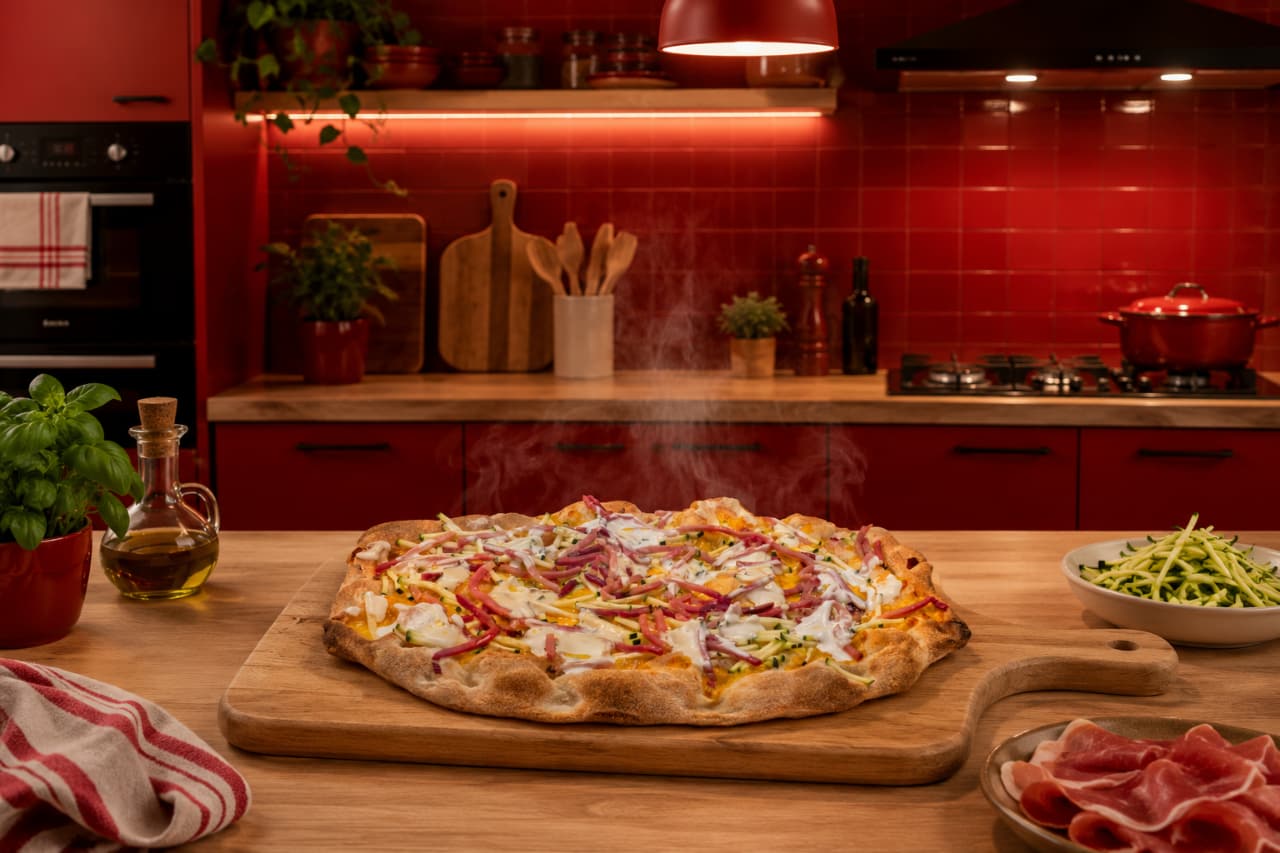
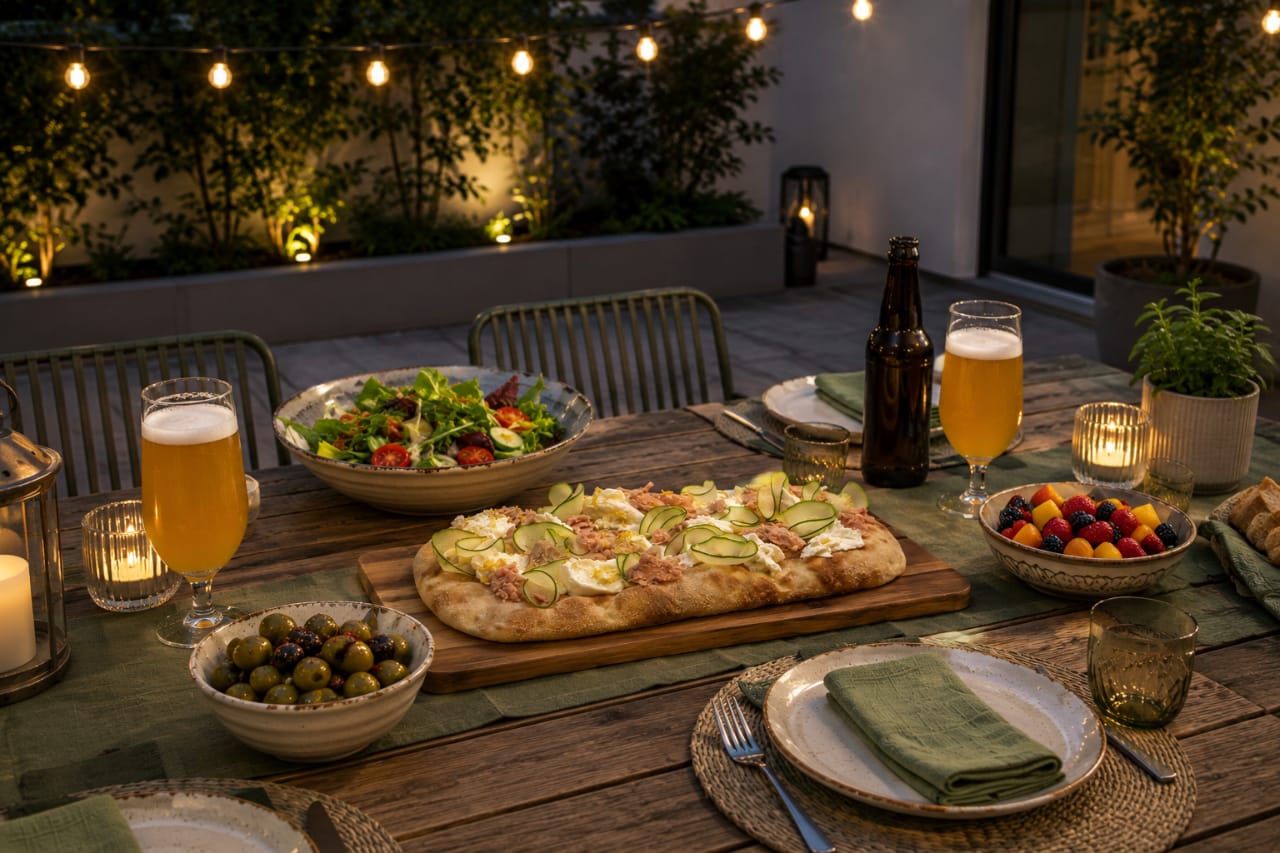
In reality, many ingredients are at their very best when they are added after cooking. The heat of a freshly baked Pinsa is often more than enough to enhance them without altering their texture, freshness or flavor.
Here are a few examples:
- burrata and stracciatella;
- Prosciutto Crudo;
- mortadella;
- pesto;
- rocket;
- some fresh cheeses;
- fresh herbs.
One of the most enjoyable aspects of Pinsa is precisely the contrast between its warm, crispy base and the fresh ingredients added at the very end. It is this balance that makes every bite more dynamic, lighter and more interesting.
Forgetting the Importance of Texture
When preparing a Pinsa, most people focus mainly on the flavor of the ingredients, forgetting about the variety of textures. Yet it is precisely the balance between crunchy, soft, fresh and creamy elements that makes Pinsa so enjoyable to eat.
One of the most common mistakes is therefore creating preparations in which everything has the same texture: creamy toppings, soft ingredients and very few elements capable of adding contrast to each bite. Even small details, however, can completely change the final perception of the Pinsa.
For example:
- lightly toasted nuts;
- fresh vegetables added raw;
- fresh herbs;
- lemon zest;
- crunchy ingredients added at the very end.
Serving It Immediately After It Comes Out of the Oven
When a Pinsa comes out of the oven, the temptation to serve it immediately is incredibly strong. Yet waiting even just one minute can make a surprising difference to the final result.
Right after baking, the Pinsa continues to release steam and internal heat for a few more moments. Cutting it or topping it immediately with fresh, moist ingredients risks trapping part of that moisture, reducing the crispness of the base.
A simple but useful tip is to let the Pinsa “breathe” for a few seconds before finishing or serving it. In some preparations, for example, it can be helpful to open it slightly or even place it upside down for a brief moment, allowing the excess steam to escape.
It is a simple detail, but one that can greatly enhance the final result.
Give it a try, and then let us know what you think.