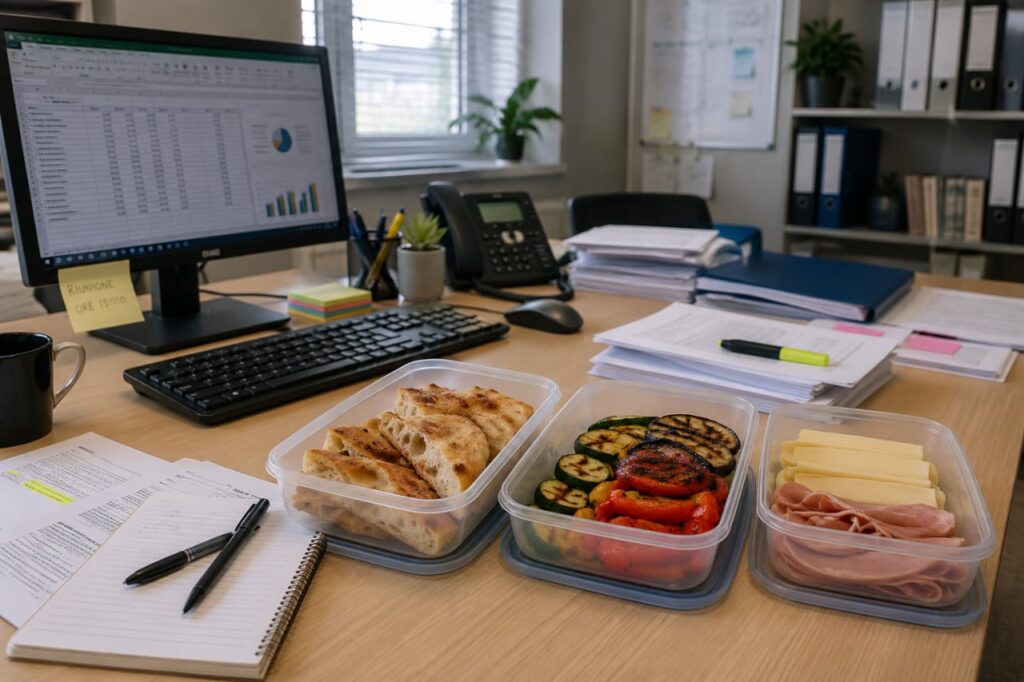
Eating well during the week has become increasingly difficult, hasn’t it? Between work, daily commitments and days that always seem too short, it’s easy to end up improvising: a quick sandwich, a last-minute ready meal or the classic “empty-the-fridge” dinner after an endless day at work. At the same time, however, you also feel the need to get better organized, save time and enjoy varied meals without simply settling for whatever happens to be available.
It is precisely from this need that Meal Prep was born, a growing trend based on planning meals in advance and organizing the kitchen in a smarter way. It is a practical, flexible approach that is becoming increasingly popular among people who want to manage their time more effectively without giving up variety and quality at the table.
In this article, we’ll explore what Meal Prep is, why it has become so popular in recent years, the benefits it can offer in everyday life and how to organize your weekly meals in a simpler, more practical and sustainable way, also thanks to Roman Pinsa.
What Is Meal Prep and Why Has It Become So Popular?
Originally developed and popularized mainly in English-speaking countries, particularly in the United States, preparing food in advance first became common among athletes and people who paid close attention to meal planning. Today, however, it has become part of everyday life for many people, well beyond the fitness world.
After all, lifestyles have changed. Days are busier, less time is spent cooking during the week and more people want to avoid last-minute meals, constant food delivery or unnecessary food waste. Preparing ingredients, bases or even complete meals in advance has become a practical way to simplify everyday routines.
Another important aspect is its practical impact on daily life. Planning meals in advance makes grocery shopping more efficient, helps with portion control, reduces food waste and ensures that you always have a ready-made alternative, even on the busiest days. It is no coincidence that Meal Prep has exploded on social media, with countless time-saving ideas, viral videos and versatile recipes.
The Different Levels of Meal Prep: There Is No Single Right Way to Get Organized
One important point: Meal Prep is not a rigid method based on identical containers and identical meals. On the contrary, one of the reasons it continues to win people over is precisely its flexibility. Some people simply prepare a few basic ingredients over the weekend, others organize office lunches for a few days, while some plan every meal for the entire week to save time and reduce stress.
1. For some people, Meal Prep simply means planning weekly meals. Knowing in advance what you’ll eat over the next few days allows you to save time, shop more efficiently and avoid constant improvisation.
2. Others prefer to prepare only a few key ingredients to be used throughout the week and combine them with freshly cooked foods when needed. For example:
- grilled or oven-roasted vegetables;
- pre-cooked grains;
- proteins cooked in advance;
- sauces, spreads or dressings;
- ingredients that have already been washed, cut and portioned.
3. Then there are those who adopt a complete approach, preparing actual ready-made meals to be stored in the refrigerator for several days. This is a particularly useful solution for office lunches or especially busy weeks.
How to Get Started with Meal Prep Without Ending Up with Sad Meals After Two Days
One of the most common mistakes is failing to consider how long foods actually last, because not every ingredient reacts in the same way after three, four or five days in the refrigerator. This is exactly where many people give up on Meal Prep: they prepare too much food, store it incorrectly or simply choose recipes that were never designed to last.
Some dishes inevitably lose their texture. For example, pasta that has already been dressed becomes sticky and dry after a few days. Some vegetables release water, fried foods lose their crispness and fresh ingredients such as lettuce or chopped tomatoes can quickly turn into a rather unappealing meal.
For this reason, the most effective Meal Prep strategy is to think carefully about:
- how long ingredients will last;
- proper storage methods;
- which days you plan to eat each meal;
- recipes that retain their quality and flavor even after several days.
Especially at the beginning, the best approach is to organize your meals across two different timeframes. Some preparations can easily last for several days, while others are best eaten within 24 to 48 hours.
For example, these recipes often remain excellent even in the middle of the week:
- grains such as rice, spelt or couscous;
- soups and creamy vegetable soups;
- cooked legumes;
- marinated chicken;
- oven-roasted vegetables;
- curries, stews and braised dishes;
- hard-boiled eggs.
On the other hand, these dishes are better prepared only for the following day or two:
- already dressed pasta;
- fried foods;
- very delicate fish;
- fully assembled salads;
- pre-filled toasted sandwiches.
A good strategy, therefore, is to build your Meal Prep progressively. On Sunday, you can prepare the ingredients that keep best, eat the more delicate recipes during the first two days of the week and leave Thursday and Friday for quicker meals or fresh dishes assembled at the last minute.
Meal Prep: Why (and How) Pinsa Can Become the Star of the Week
As we’ve already seen, when it comes to Meal Prep, the temptation is to prepare everything in advance. However, this is not always the best solution.
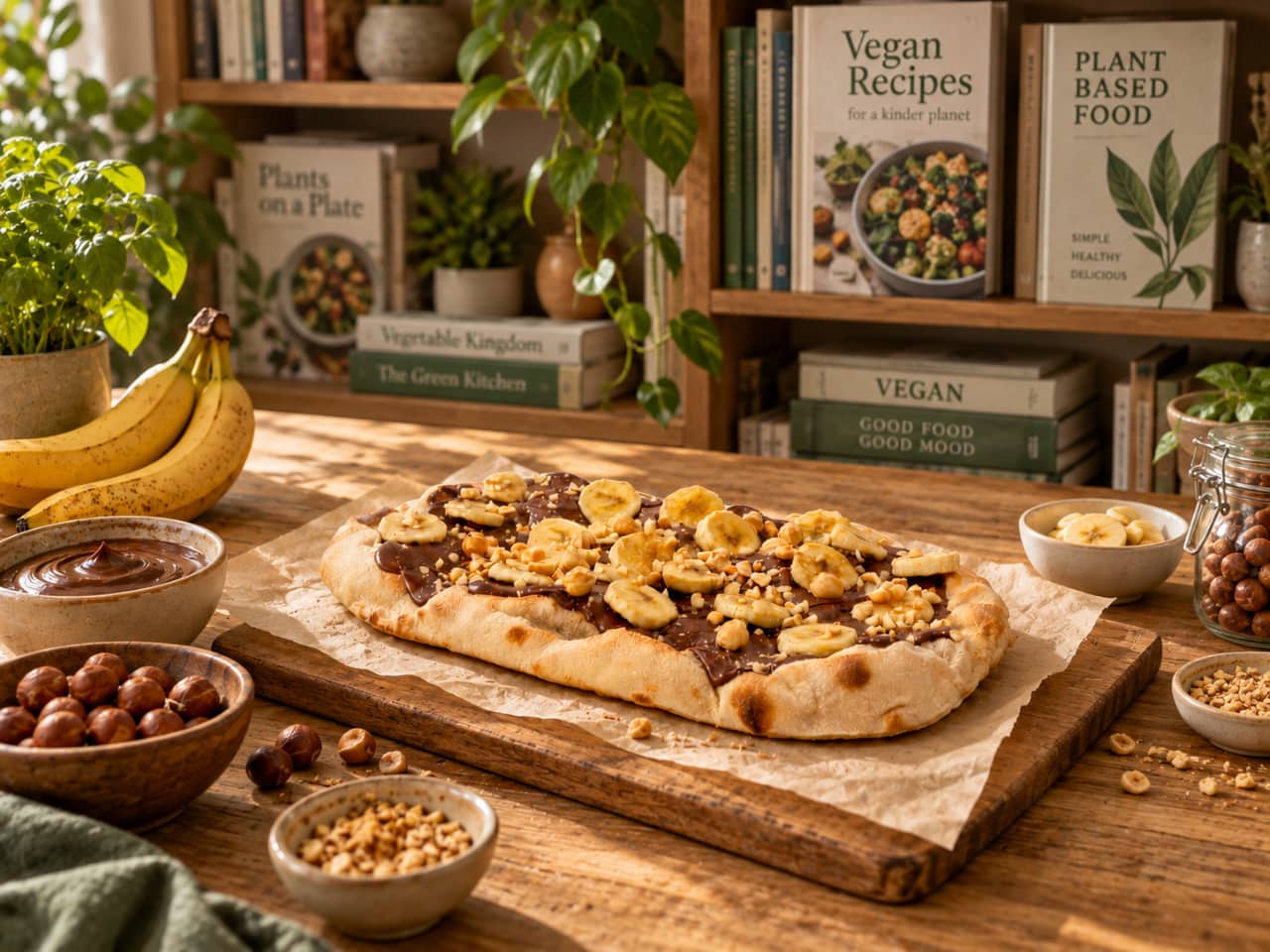
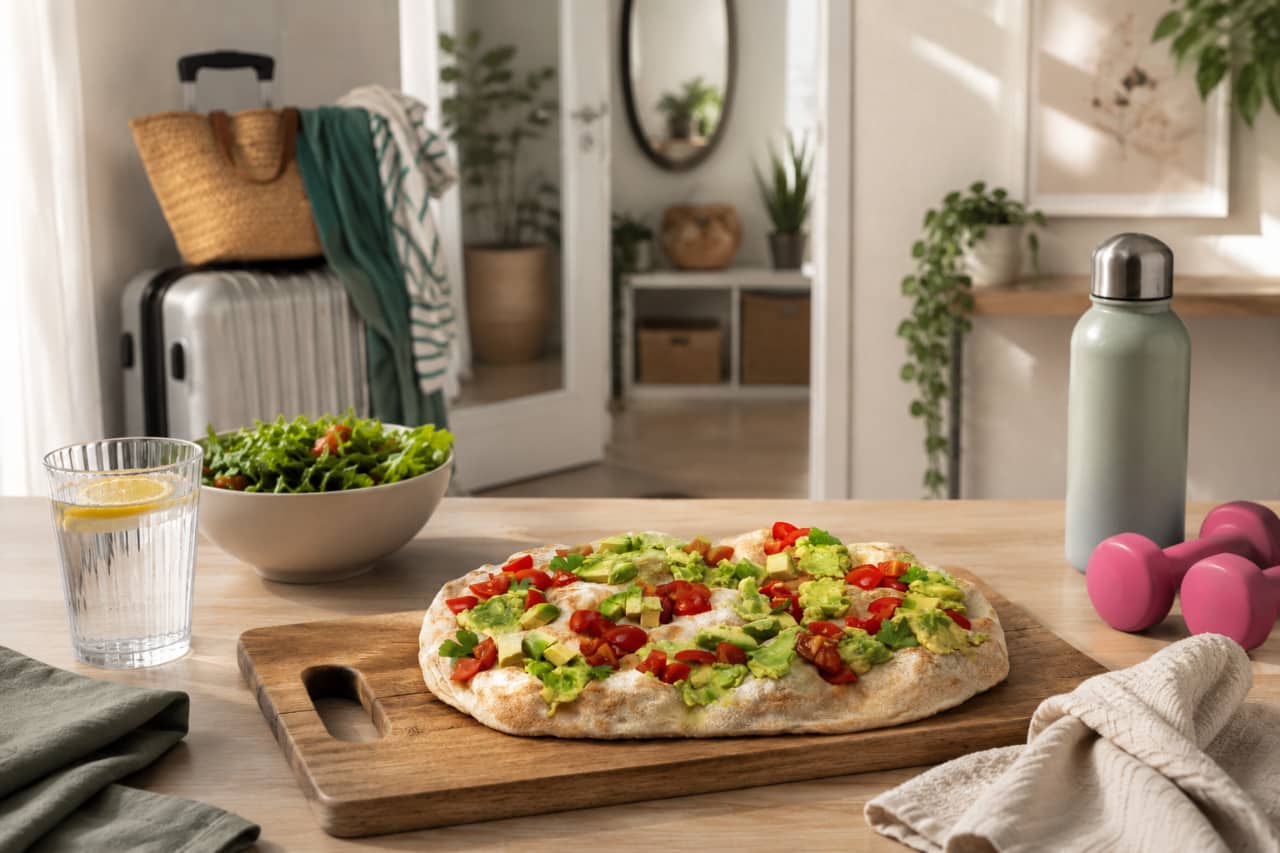
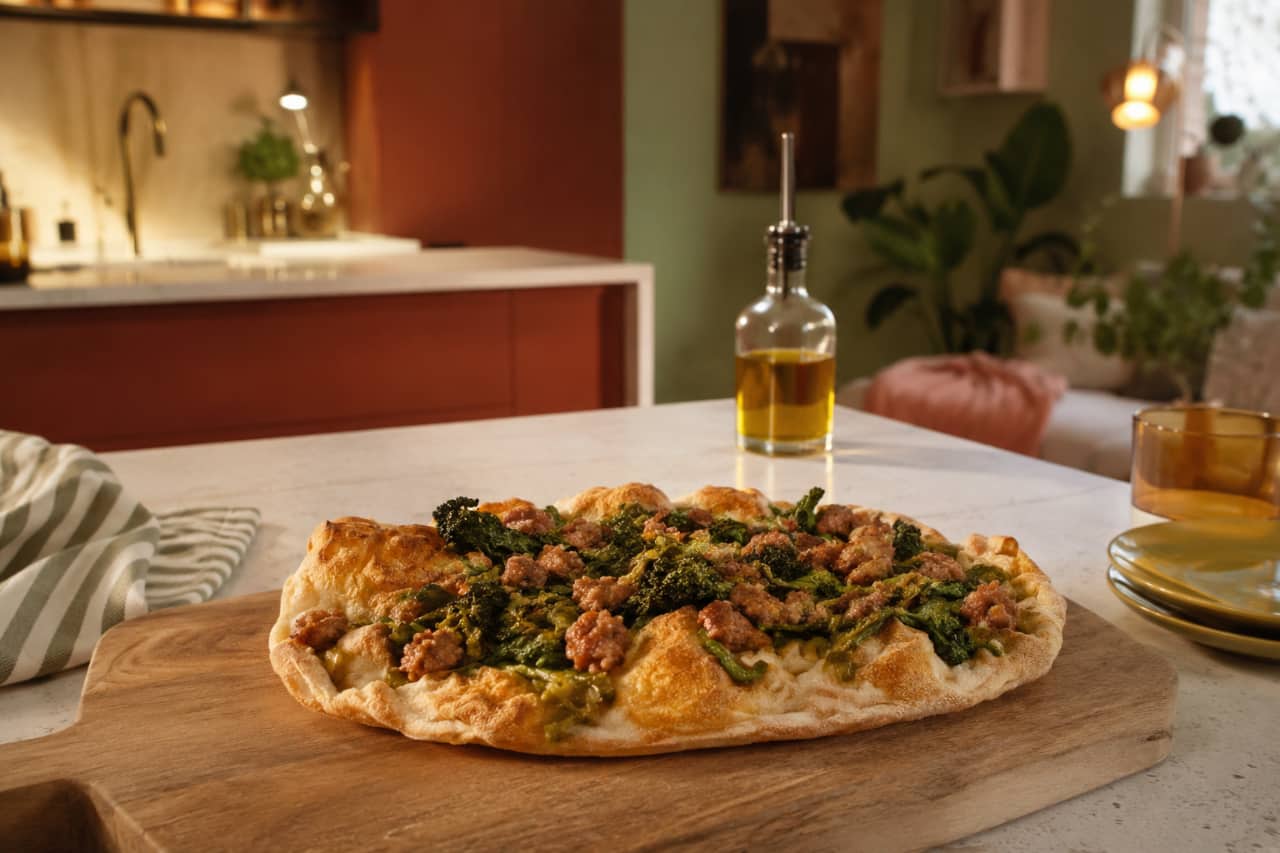
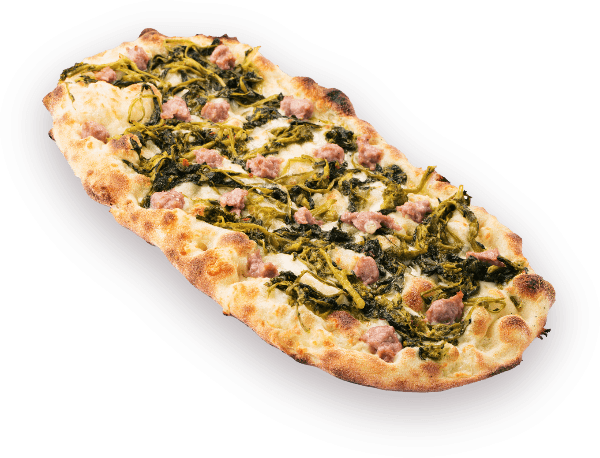
When used correctly, Roman Pinsa can become an especially interesting option within this type of approach. The most effective strategy is not to prepare five fully topped Pinsas on Sunday to eat until Friday. Instead, it is much more practical to use Pinsa as a quick base, completing it at the last minute with ingredients that have already been prepared in advance.
In this way, the most time-consuming part of the preparation—which is often the toppings—is completed beforehand, while the Pinsa itself only requires a few minutes in the oven before it is ready to serve. The result is a quick meal with significantly higher quality than many dishes that were fully assembled several days earlier.
Of course, a fully prepared Pinsa can also be enjoyed the same evening or the following day while still maintaining excellent quality. Organizing Meal Prep this way, however, allows you to avoid extending storage times too much, reducing the risk of compromising texture, crispness and the final result.
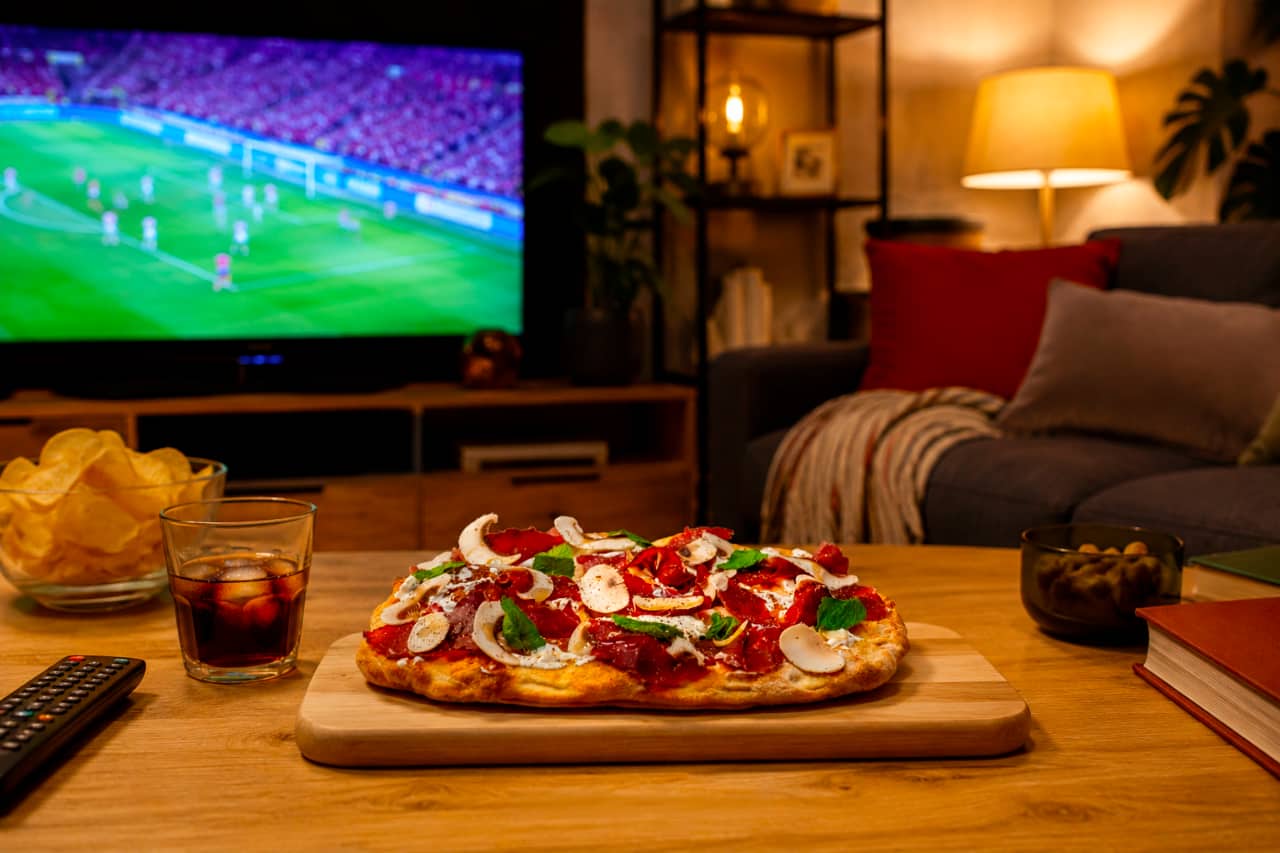
Using the same basic ingredients, for example, you can create completely different combinations throughout the week:
- grilled vegetables and hummus;
- cherry tomatoes and feta;
- chicken and peppers;
- stracciatella added just before serving;
- tuna and red onion;
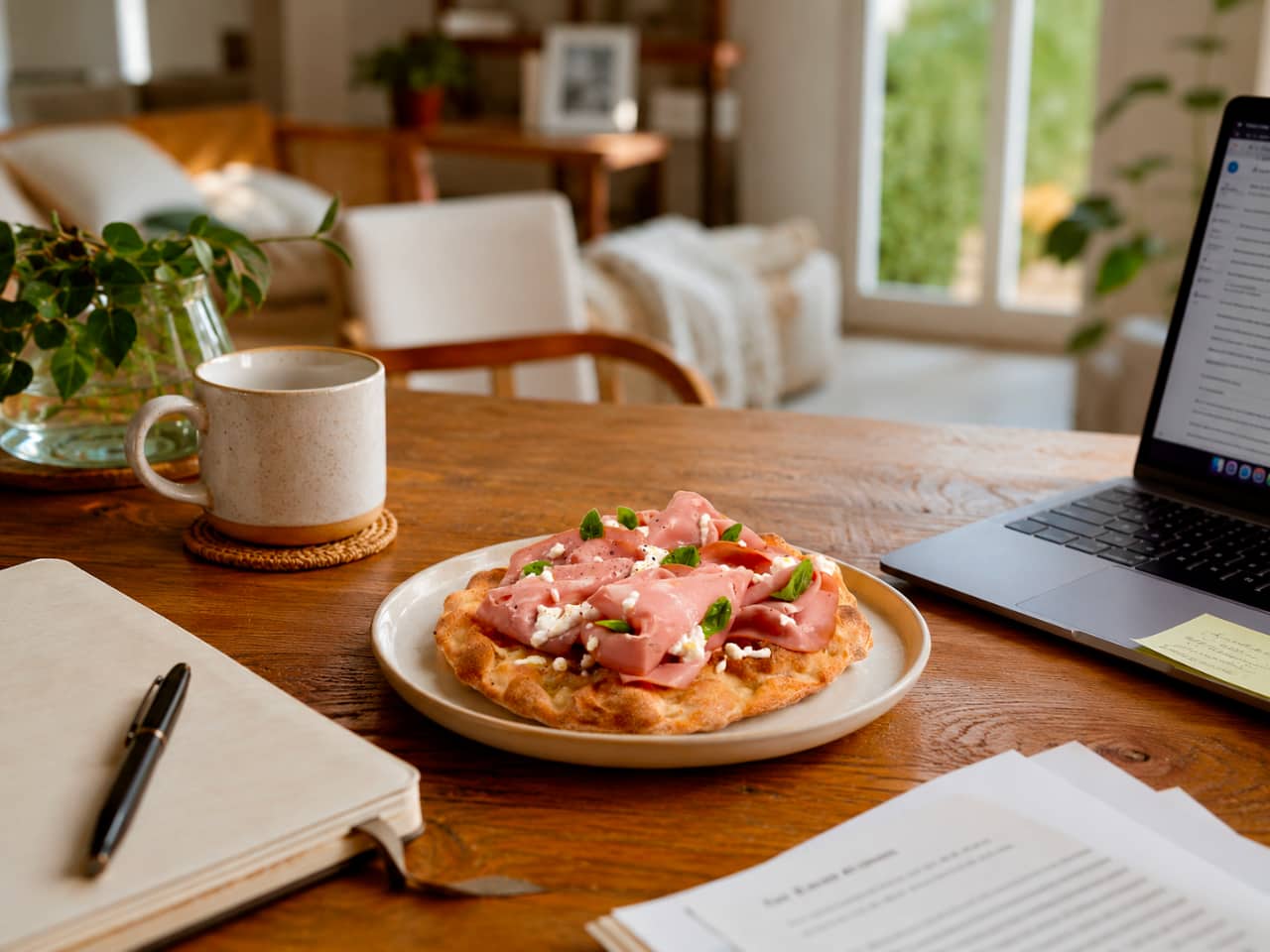
- mortadella and pistachios.
The real strength of Pinsa within Meal Prep is therefore its flexibility. Once you’ve already organized your ingredients and combinations, preparing lunch or dinner really takes just a few minutes, without sacrificing variety or feeling like you’re eating the same meal every day.