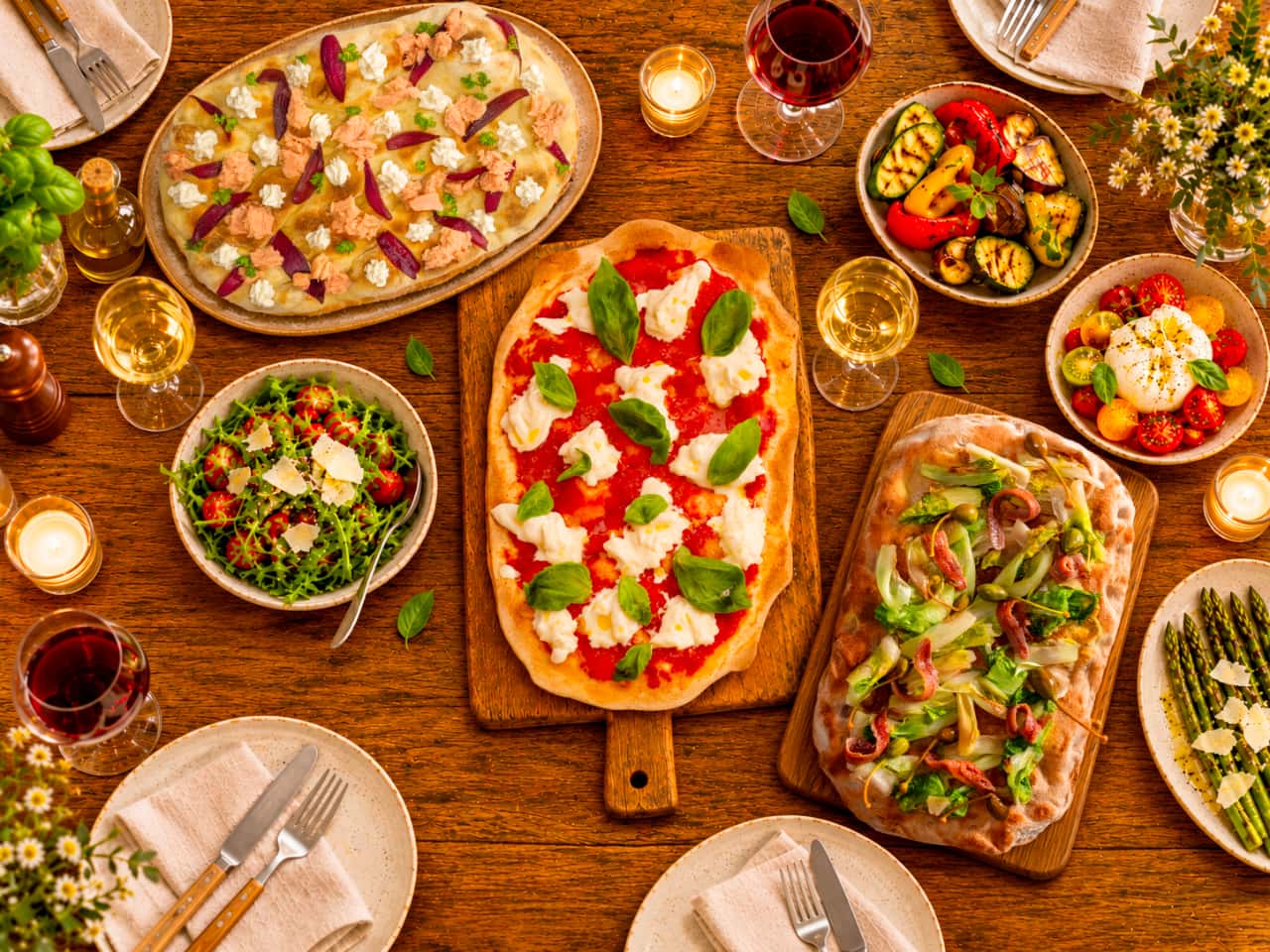
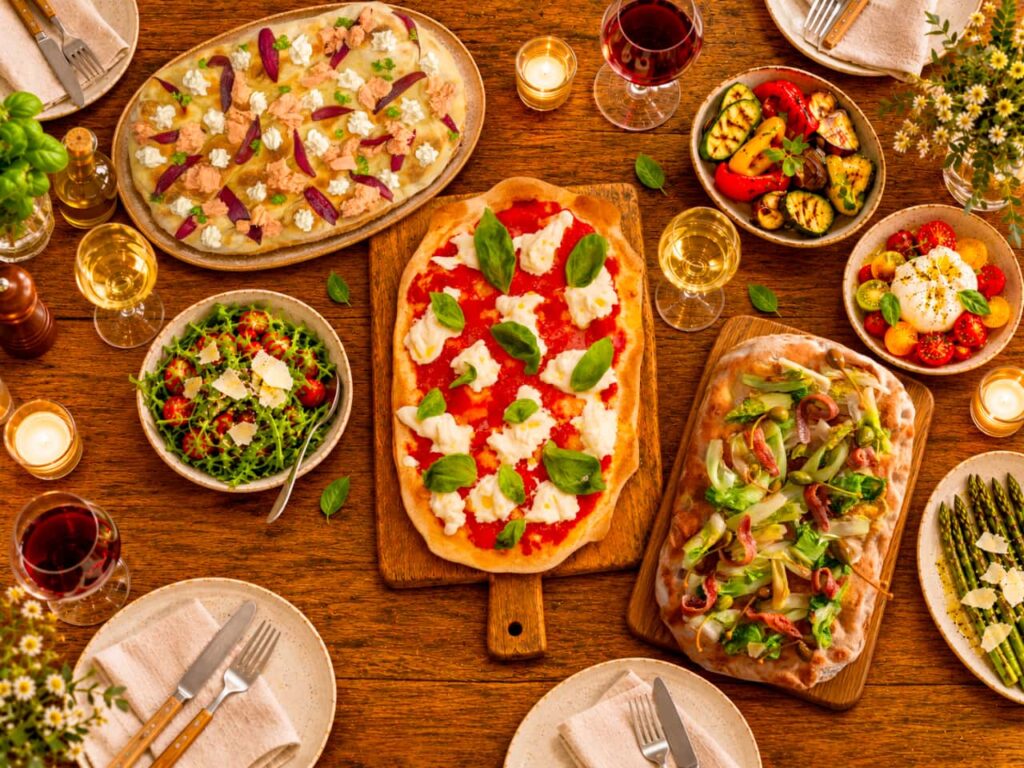
Organising dinner for a crowd means catering for different tastes and dietary needs. To keep everyone happy without spending the evening at the stove, focus on dishes to share, food you can prepare ahead and bases you can customise with different toppings. Pinsa is a perfect choice.
Dinner for a crowd, with different tastes and needs
You invite ten or fifteen people over and, along with their confirmations, the preferences inevitably start coming in: someone does not eat meat, someone wants to keep things light, someone loves rich flavours. Then there are allergies and intolerances, which require specific precautions.
Keeping everyone happy takes a little organisation, but part of the pleasure of gathering around a big table is that everyone brings their own tastes, habits and stories to share. You do have one problem, though: you cannot cook ten different dishes on the spot, because you do not have a restaurant kitchen or a team of chefs.
So how do you prepare a dinner where everyone finds something delicious and you still get to sit down now and then?
Check with your guests before dinner
If no one mentions anything beforehand, a quick WhatsApp message a few days before dinner will help you find out whether you need to avoid certain ingredients and cater for any allergies or intolerances. As well as being a thoughtful gesture, this gives you the information you need to put together your shopping list.
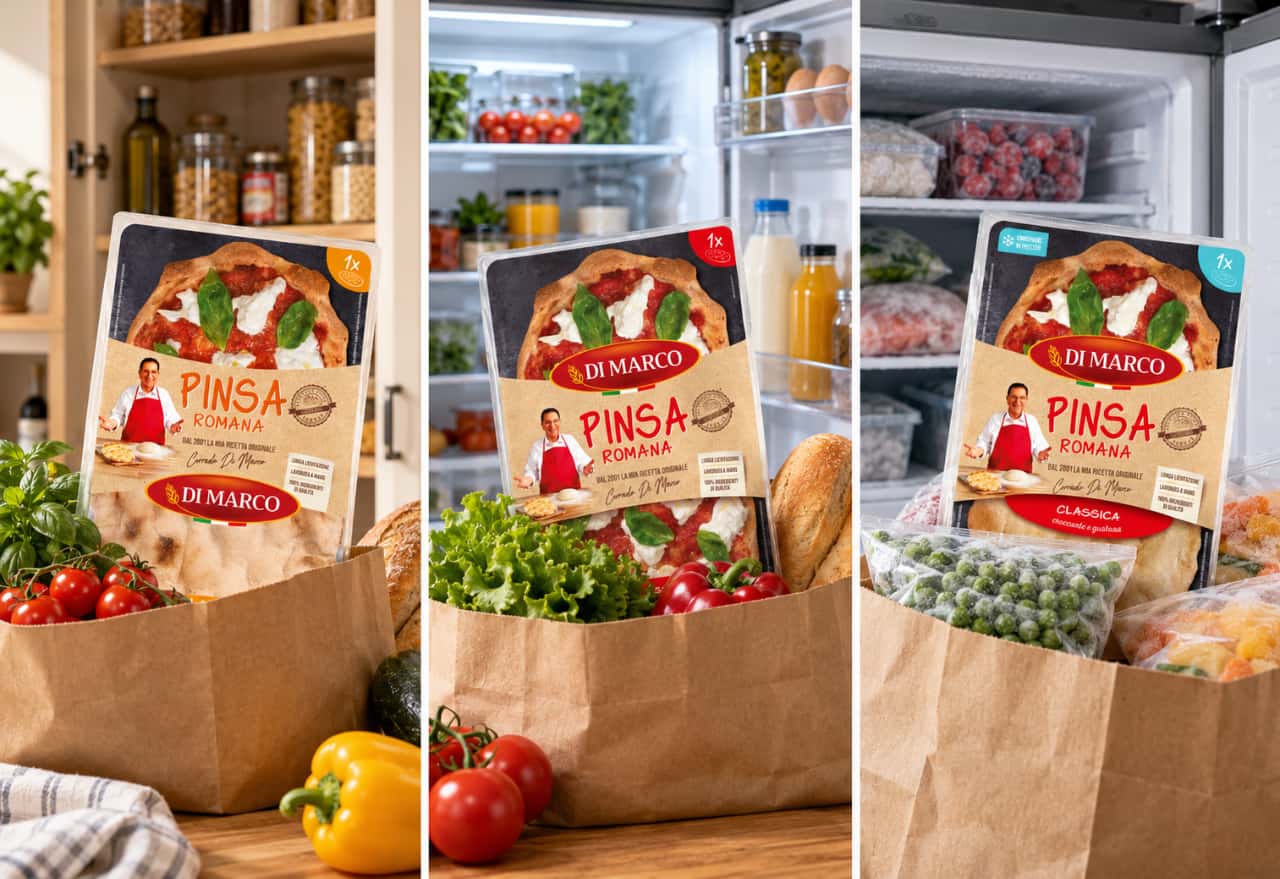
Of course, there is a difference between what someone dislikes and what they cannot eat: in the first case, you can find a compromise; in the second, ask what precautions are needed during preparation too. It is better to clarify this beforehand than discover it while serving dinner. For example, if one of your guests has coeliac disease, you can choose Di Marco’s Gluten-Free Pinsa to offer a tasty alternative while still enjoying a shared meal. Just make sure you also check the topping ingredients and take the appropriate precautions during preparation, to avoid cross-contamination.
Choose dishes you can prepare ahead
This is essential because, as we have said, you do not have a restaurant kitchen. Whenever an idea comes to mind, ask yourself how much work will still be needed when your guests arrive. For reliable options:
- Lasagne or a pasta bake can be assembled ahead and baked for dinner;
- Grilled vegetables are ready to bring to the table;
- A spelt or rice salad can wait in the fridge until serving time;
- A savoury tart saves you from last-minute cooking.
Do check how everything fits together, though: three trays that need heating in the same oven can complicate your evening if you have not planned for it.
Start with a shared base and vary the toppings
Ten different recipes are not practical, as you know perfectly well. Whatever your guests’ preferences, look for a base that most people will enjoy and that you can serve in several versions, keeping some toppings separate. You can put together the different versions yourself or let everyone build their own plate, buffet-style. For example:
- Basmati rice to pair with roasted vegetables, spiced chickpeas or chicken pieces, all served separately;
- Roast potatoes to top with a bean cream, sautéed mushrooms or cheese and ham;
- Pasta salad. Start with a base of cherry tomatoes and olives, then serve mozzarella, tuna and chickpeas separately so everyone can add what they like;
- Polenta to serve with mushroom sauce, meat ragù or lentils in tomato sauce.
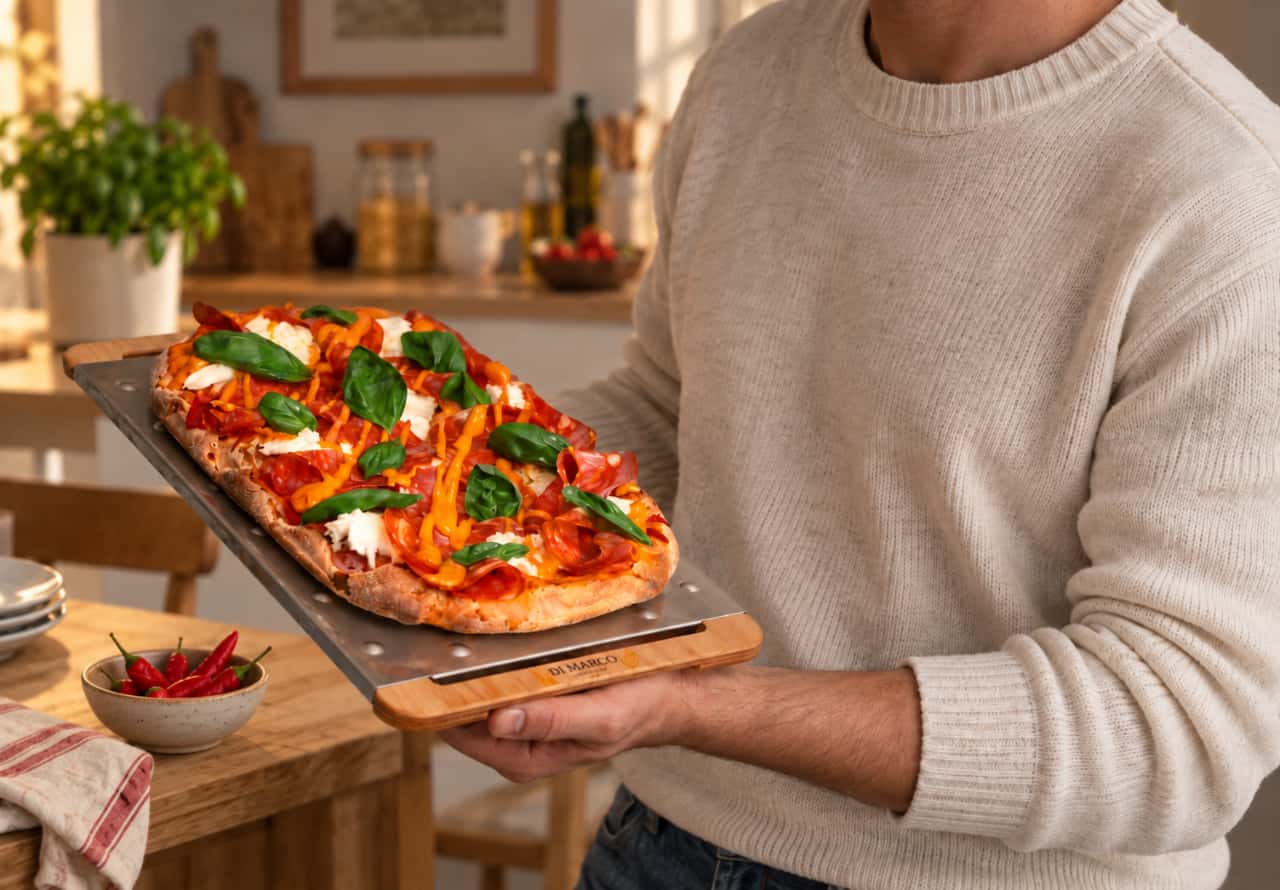
Guess what works perfectly for this? Pinsa, of course. One base, plenty of toppings and a way to keep everyone happy without multiplying the preparations. Let’s see how.
How to top Pinsa to suit different tastes: start with 3 options
We will not go over why Pinsa is perfect for this again: if you want to learn more about its characteristics and discover how to have everything ready in 10 minutes, you will find the answers here.
Let’s move on to the toppings: three well-chosen versions allow you to cater for a wide range of tastes and needs without turning your kitchen into a deli counter.
The classic: tomato, mozzarella and basil
It’s the Margherita, the timeless starting point: a few ingredients, familiar flavours and an excellent chance of pleasing everyone. If you have the ingredients ready, it really takes less than 10 minutes: simply spread the tomato over the base, add well-drained mozzarella following the Pinsa’s baking instructions, and finish with fresh basil when it comes out of the oven.
Make a few extra portions, because even those choosing other toppings will gladly help themselves to a piece of this one.
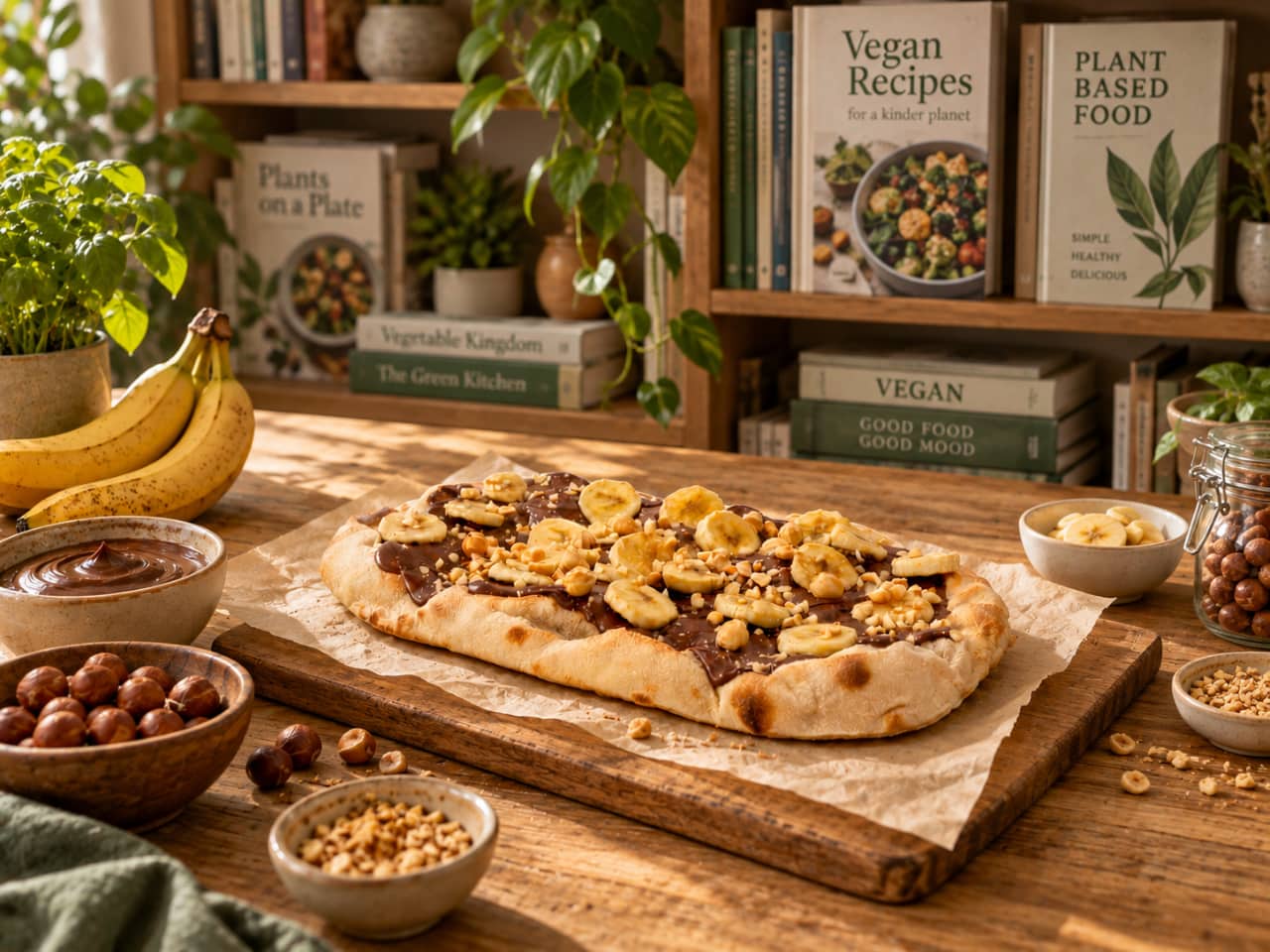
The vegan option: chickpea cream, courgettes and sun-dried tomatoes
A plant-based option that brings together creaminess, vegetables and flavour. This caters for vegans and vegetarians while offering a tasty alternative to anyone who fancies a light, entirely plant-based topping.
Here too, it takes very little time to make: spread the chickpea cream over the hot Pinsa, add the pre-grilled courgettes and finish with chopped sun-dried tomatoes and lemon zest. You can prepare all the toppings ahead and assemble everything just before serving. Seven minutes at most, including baking the Pinsa.
The indulgent option: potatoes, sausage and scamorza
Some people watch their waistline carefully and others follow a particular diet, but you can bet that plenty will go for the richest topping. After all, the diet starts next Monday.
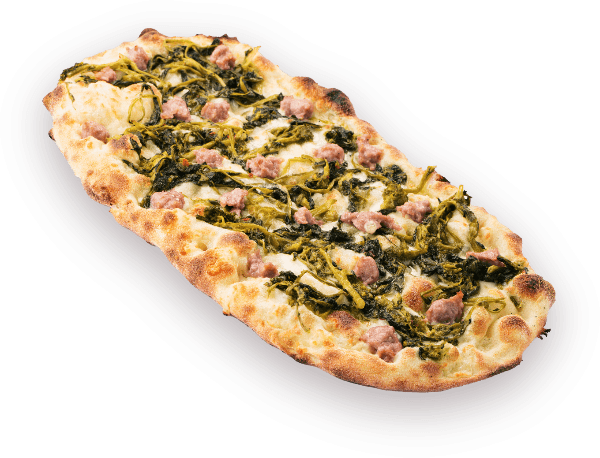
Potatoes, sausage and scamorza, with a little rosemary, are just what you need. This does require a little preparation ahead: cook the potatoes and sausage so that, when it is time to add the toppings, all you need to do is spread them over the base, add the scamorza and put it in the oven. Serve it cut into small pieces because the topping is quite substantial, leaving everyone room to try the other versions too.
How much Pinsa to prepare and what to serve with it
When organising dinner for a crowd, working out quantities is fairly straightforward and depends on Pinsa’s role in the menu. If it is the main course, allow one 230 g base per person. If you are serving it alongside other dishes, a little less than half a Pinsa per person is enough. Aim for around 100 grams, depending on how generous the rest of the menu is.
When choosing accompaniments, consider your toppings. With potatoes, sausage and scamorza, something fresh works well, such as a fennel and orange salad or a simple mixed salad. Grilled vegetables work well too, and you can prepare them ahead.
Want to add a starter? Olives, raw vegetables and hummus are easy to share and require no extra cooking. Pinsa can help here too: serve it instead of bread, cut into wedges or strips, alongside cured meats, cheeses and vegetables, or serve it for dipping into hummus and other savoury spreads. That way, when your guests arrive, you already have something to put on the table and, above all, you can enjoy the evening.