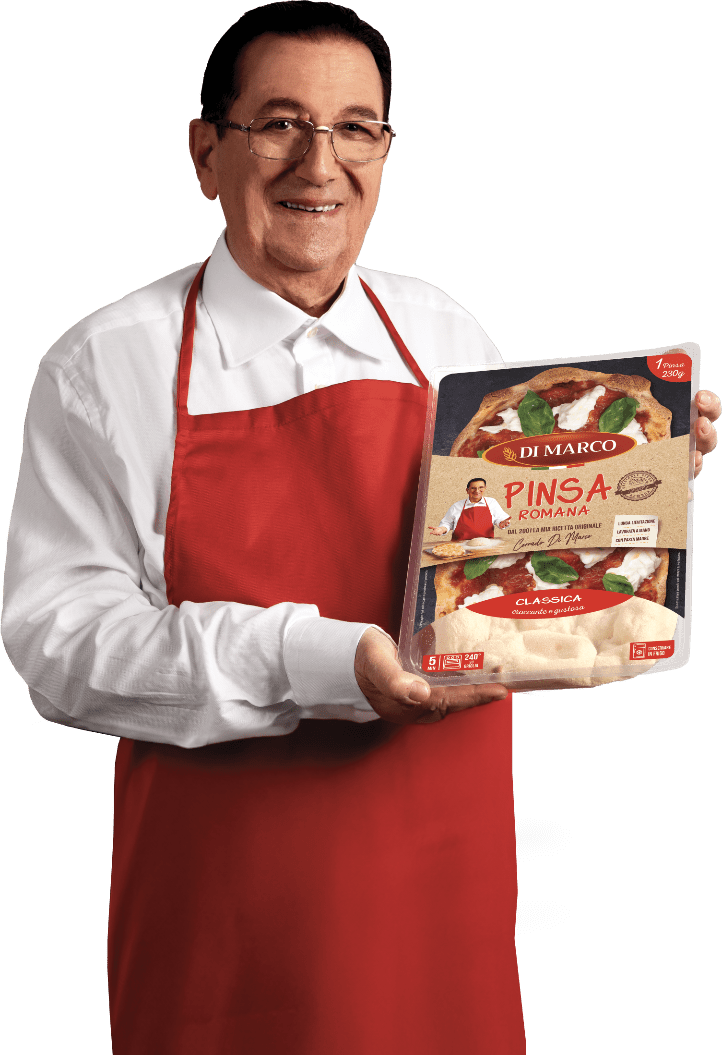

You’ve just added your favorite pre-cooked pinsa to your cart, carefully chosen perhaps for a quick but tasty dinner. You’ve checked the expiration date and feel reassured—there’s still time to enjoy it. But have you ever asked yourself how to store it properly at home, so it doesn’t lose flavor, fragrance, or texture?
The good news is, there are no big secrets: we’re not about to reveal anything shocking, just a few good practices to follow. Within the Pinsa Di Marco range, for example, there are different types of pre-cooked pinsa, each with its own storage method. Knowing how to recognize and handle them properly is the first step to avoiding waste and getting the best from the product.
Food storage: some basic considerations
Food storage refers to the set of practices that keep food safe, edible, and enjoyable for as long as possible. Generally speaking, proper food storage is based on a few key rules: respect the cold chain (especially for refrigerated or frozen products), keep raw and cooked foods separate, and always read and follow the label instructions. The environment in which you store food also matters: light, heat, and humidity can affect quality—especially when dealing with delicate products.
When it comes to baked goods, storage methods vary by type: fresh bread and focaccia should be kept in a dry place and consumed within a few days; baked snacks and biscuits can last for weeks if sealed airtight. Ready-made bases like pinsa are often sold frozen or refrigerated: just follow the on-pack instructions to store them properly and enjoy them whenever you like—with just a few minutes in the oven.
Three types of pinsa, three storage methods
The range of Roman-style pinsa by Di Marco is divided into three main families, each designed to offer maximum convenience for everyday life—without compromising on flavor. Here’s what they are and how to store them properly:
Classic refrigerated Roman-style pinsa
This is the most popular and widely available version: you’ll find it in the refrigerated section of the supermarket and it should be stored in the fridge at a temperature between 0°C and +4°C. It’s ready to top and bake in just 5 minutes in the oven (or in other tools like a skillet or air fryer) at 240°C. Ideal for frequent pinsa lovers, it keeps its fragrance if stored properly in its original packaging. Once opened, it should be consumed within 1 or 2 days at most. It’s also available in snack format, perfect for smaller portions or appetizers.
Ambient pinsa: the space-saving solution
This type of pinsa undergoes a natural stabilization process, which allows it to be stored outside the fridge, ideally in a cool, dry place (between +10°C and +25°C). With its long shelf life, it’s perfect for keeping in the pantry as a backup or for taking on vacation or to the office—no fridge space needed.
Freezer pinsa: 18 months of freshness
Last but not least, frozen pinsa is ideal for those who want to always have a ready-to-use pinsa base—even months later. It’s stored in the freezer and lasts for up to 18 months. When ready to use, it can be defrosted or baked directly like the others—just add 2 extra minutes of cooking to compensate for defrosting.
Frozen vs. deep-frozen: what’s the difference?
The terms are often confused, but frozen and deep-frozen are not the same. Let’s clarify.
Frozen refers to food gradually brought to low temperatures (still below 0°C), usually at home in a standard freezer. This causes the formation of ice microcrystals inside the food cells, which can damage cell walls and cause a loss of texture, taste, and nutrients when defrosted. Still, freezing does significantly extend food preservation.
Deep-frozen, on the other hand, is an industrial high-speed process that brings food to -18°C or lower in just a few minutes. Fast freezing can also be done at home but requires specific features in your appliance. This method helps preserve the food’s organoleptic properties—flavor, texture, and nutritional value.
Di Marco’s freezer pinsa belongs to this second category: it is deep-frozen immediately after pre-cooking, locking in freshness at the perfect moment and avoiding the formation of damaging ice crystals. The cold chain is preserved all the way to supermarket freezers, ensuring 18 months of freshness at home too.
Perfect storage: small actions, big difference
Now let’s get to the practical tips for storing your pinsa properly once it’s at home. This is where the real anti-waste effort counts.
Never leave pinsa open for too long
Whether refrigerated, ambient, or frozen, once opened, pinsa should be consumed as soon as possible. Even if stored in the fridge, the surface tends to absorb moisture or dry out, losing its elasticity and compromising baking. Ideally, if you open the package, bake the pinsa shortly after—even if you don’t top it yet.
What if I open it but don’t use it right away?
You might open the pinsa (accidentally) in the morning and delay prep until evening. In such cases, you can still limit air exposure—the main factor in product deterioration. For example, wrap it tightly in plastic wrap or seal it in a food-safe zip bag, squeezing out as much air as possible. Better yet, use a vacuum container if you have one: less air = slower quality loss. Never let it come into direct contact with moist food—it could absorb smells or change texture.
In any case, an opened pinsa should never be kept for more than 24 hours, even in the fridge. The risk here isn’t so much about food safety, but quality loss: crispiness, aroma, and fragrance could fade. And that would be a real shame.