
Usually, on this blog, we focus on quick, light, and tasty recipes. But this time, we’re making a small exception: lightness and flavor stay, but we’ll take a bit more time. Why? Because making pesto takes a few extra minutes—unless you prefer the simpler and totally legitimate route of buying it ready-made.
Discovering Pesto: What It Is, Where It Comes From, and How to Make It
The word “pesto” comes from the verb “to pound,” meaning to crush and mix ingredients in a mortar. Pesto is not just a recipe—it’s a cooking method with ancient roots in Italy. It comes in many forms across the country, but the most famous version is undoubtedly Genovese pesto: fresh basil, pine nuts, cheese, garlic, and good extra virgin olive oil—a recipe that has become a symbol of Italian cuisine worldwide.
As mentioned, pesto isn’t just Genovese. In Italy, every region has its own version based on local ingredients. In Sicily, there’s pesto alla Trapanese with tomatoes and almonds, or the bright green and creamy pistachio pesto from Bronte. In Puglia and Calabria, sun-dried tomatoes are often used, while in the North, versions include arugula, black kale, and walnuts.
Genovese Pesto: Origins and Tradition
Genovese pesto, as we know it today, dates back to the 19th century, but its roots go further into Ligurian recipes made with aromatic herbs and aged cheeses. It was a farmers’ condiment—easy to preserve and rich in nutrients.
Over time, the careful selection of simple but high-quality local ingredients turned pesto into a gastronomic excellence acclaimed worldwide. Pesto-based recipes are now popular in France, Germany, the U.S., and even Asia.
The traditional Genovese pesto recipe includes:
- Fresh basil—ideally from Prà, a Genoa district known for its favorable microclimate;
- Pine nuts;
- Parmigiano Reggiano and/or Pecorino;
- Garlic;
- Extra virgin olive oil;
- A pinch of salt.
Blended cold, these ingredients release their full aroma, creating a vibrant green and velvety-textured cream.
Trapanese Pesto: The Sicilian Version
A blend of sea and tradition, this Sicilian version stems from maritime exchanges between Ligurian and Sicilian sailors. It keeps the Genovese philosophy but swaps in island ingredients: almonds and fresh tomatoes instead of pine nuts, and Sicilian EVO oil to bring it all together.
The result is a rustic, genuine condiment perfect for short pasta like traditional busiate.
Pistachio Pesto: The Gem of Bronte
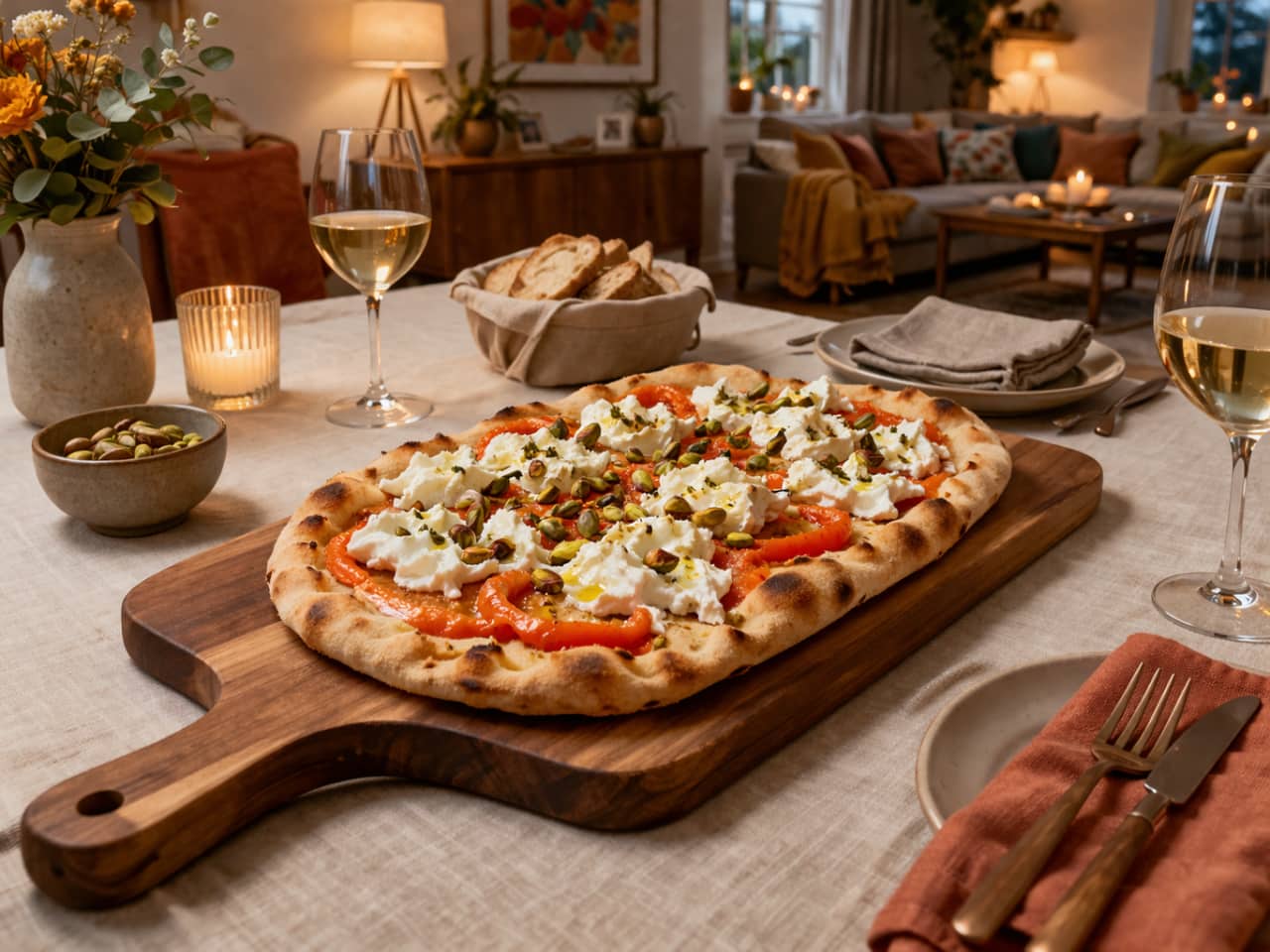
Another beloved Sicilian version comes from Bronte, home of DOP-certified pistachios. Here, basil gives way to pistachios, which blend with cheese, garlic, and EVO oil to create a dense, slightly sweet and elegant cream. It’s incredibly versatile: great with pasta, perfect with fish, or delicious on toasted bread (or even better, on Pinsa).
Pinsa with Genovese Pesto: The Perfect Match + 4 Must-Try Recipes
Pinsa and pesto seem made for each other. But which pesto to choose? Among all regional varieties, here we go with the most iconic: Genovese pesto, a Ligurian classic—and we’ll also include a version with pistachio pesto.
To get the best result, keep two golden rules in mind:
- Add the pesto after baking the Pinsa. Otherwise, you risk ruining its color, aroma, and texture.
- Use Genovese pesto in moderation: it has a strong flavor and a good amount of oil, which can make the Pinsa too moist or overly rich if overused. Don’t spread it—add small drops with a spoon for a balanced, beautiful finish.
One tablespoon of Genovese pesto (about 20g) provides around 100 kcal. Not exactly light, but manageable with proper portions. Combine it with fresh ingredients and a light, well-baked Pinsa base, and your dish stays balanced and satisfying—even nutritionally.
Let’s now discover 4 can’t-miss Pinsa + pesto recipes, each with its own special twist.
Pinsa with Genovese Pesto and Cherry Tomatoes
One of the freshest and simplest combos out there. Bake your Pinsa base until crispy (about 5 minutes), let it cool slightly, then add drops of pesto and halved cherry tomatoes, lightly salted and dressed with minimal oil—pesto already covers that.
The contrast between aromatic pesto and sweet-tart tomatoes is perfect. It’s a Pinsa that smells like the Ligurian coast and comes together in no time. For a fresh touch, add some lemon zest on top.
Pinsa with Pesto and Mortadella
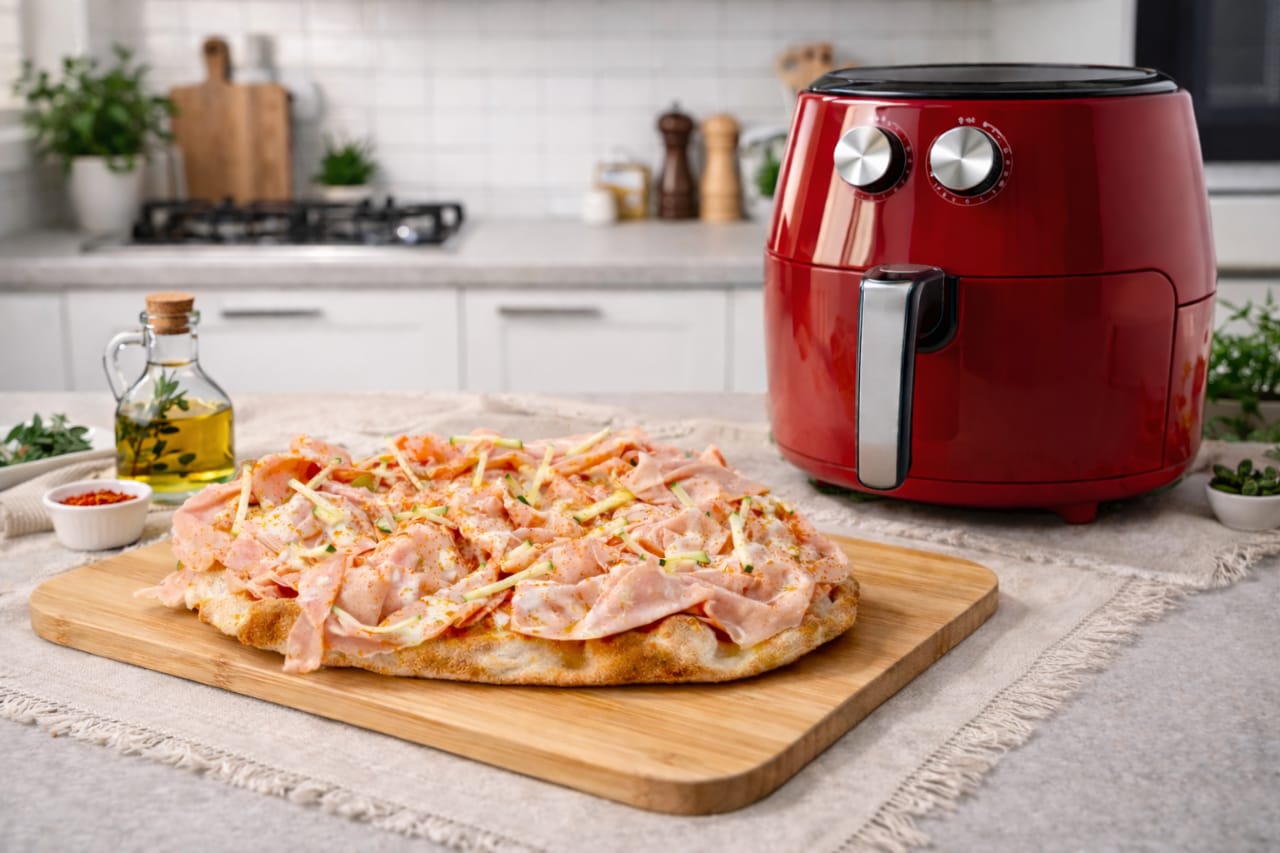
Here, Genovese pesto meets indulgent mortadella. The secret is the sequence: bake the Pinsa base, let it cool slightly, add the pesto (always cold), then place thin slices of mortadella—folded for volume and style.
The mortadella fat blends with the creamy pesto for an irresistible mix. Add chopped pistachios for crunch and to enhance the pesto’s aroma. A perfect recipe for a gourmet appetizer or an unconventional dinner.
Pinsa with Pesto and Mozzarella
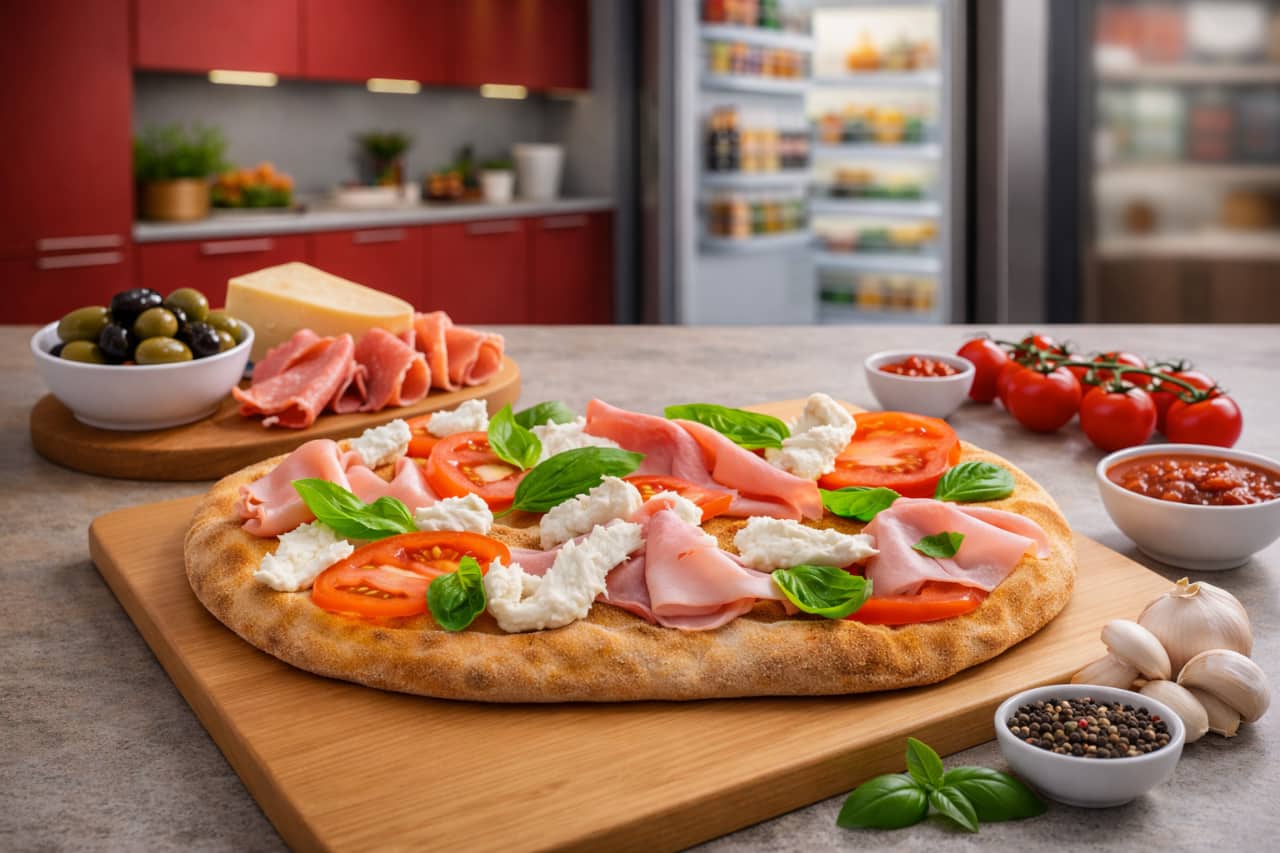
A classic combo that never fails. Bake the Pinsa with mozzarella already on the base so it melts perfectly. Once out of the oven, add drops of pesto, garnish with fresh basil leaves, and serve immediately.
Use well-drained fiordilatte or buffalo mozzarella for stronger flavor. Pesto added after baking brings aroma and depth without overpowering the cheese’s delicacy. A great choice for fans of simple, satisfying flavors.
Pinsa with Pistachio Pesto
This one is completely different: pistachio pesto, as we’ve seen, is a Sicilian recipe unrelated to the Genovese version—except for its creamy texture and oil base. Instead of basil, you’ve got pistachios (from Bronte or other top-quality Sicilian sources), often blended with ricotta, grated cheese, and spices.
The result is a smooth, sweet-savory cream that pairs perfectly with mortadella, burrata, speck, or stracciatella. Just bake the Pinsa base, let it cool slightly, and pipe the pistachio pesto in small dollops, alternating it with your chosen toppings.
This is a bold, gourmet choice—perfect for impressing guests. Add a sweet-savory twist with a drizzle of honey or some orange zest for the final touch.